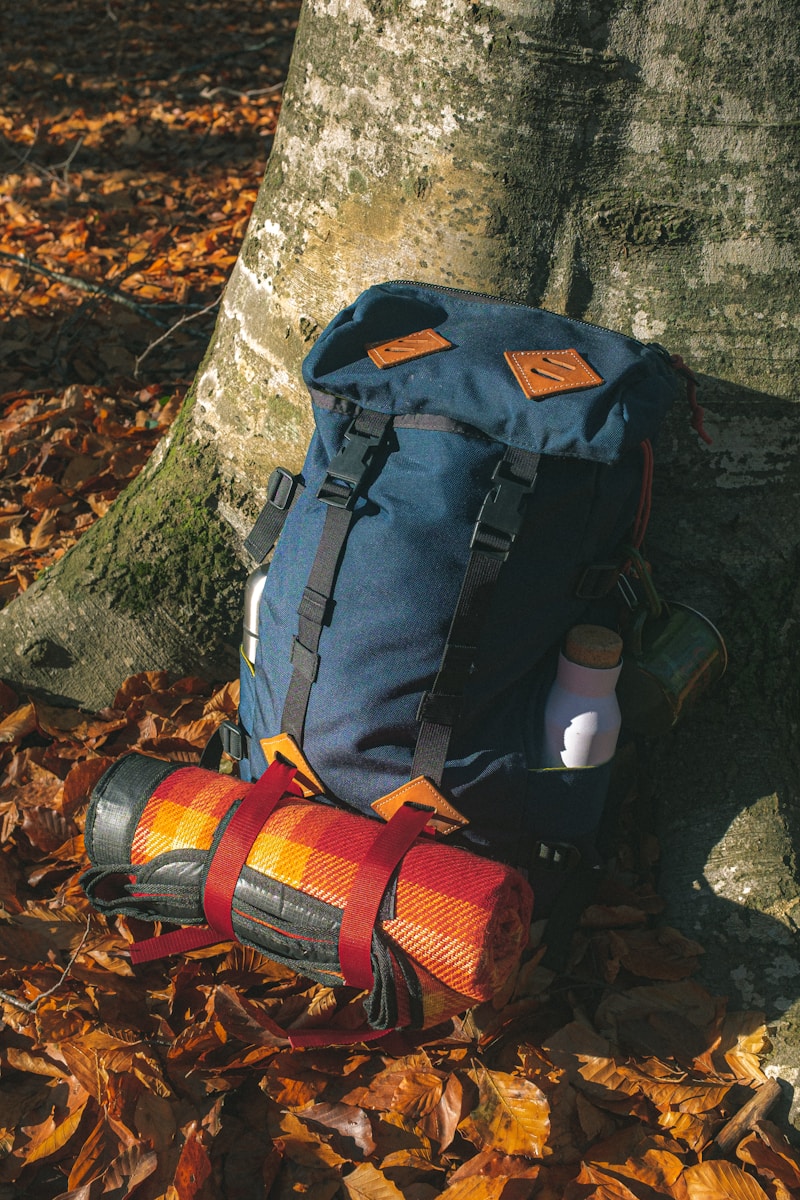
If you want a trail day that feels smooth, safe, and a bit spectacular, your gear needs to pull its weight. This Ultimate 2026 Hiking Gear Checklist is built for real-world miles, what you actually use, what saves you when the weather flips, and what’s worth upgrading this year. Whether you’re stepping onto your first local loop or pushing into remote, shoulder-season terrain, you’ll find a clear, leveled path to packing smart without overpacking. Let’s dial in the essentials, layer in seasonal and experience-based picks, and add the 2026 tech and materials that genuinely make your kit better.
Universal Essentials For Any Hike
Hydration And Water Treatment
You need enough water and a way to make more. For day hikes, carry at least 2–3 liters depending on heat and effort: overnights push that up based on distance and water sources. In 2026, quick-sip soft flasks and low-profile bladders with wide-bore bite valves make it easy to drink more often. For treatment, pair a squeeze or pump filter with a chemical backup. New electroadsorption filters and UV-C cap purifiers neutralize viruses and protozoa fast, while classic hollow-fiber filters still excel for flow rate. Always carry a backup, micropur tabs weigh nothing but can save a trip.
Nutrition And Food Storage
Your body runs on carbs, a bit of fat, and salt. Pack fast-burning snacks for on-trail momentum, chews, bars, nut mixes, and real meals for camp. On hot days, aim for steady electrolytes alongside water. Use odor-resistant bags or a small hard-sided canister where critters are bold: in bear country, follow local rules on canisters or hangs. A compact, reliable stove with a windscreen keeps calories coming when the weather’s moody.
Navigation And Communication
Carry a primary nav tool and a redundant backup. In 2026, offline GPS apps with high-res topo layers and satellite imagery are superb, but you still want a paper map and a simple baseplate compass. For comms, your phone in airplane mode is fine near civilization: beyond that, a satellite messenger or PLB is the safety net that brings you home. Pre-download maps, mark water sources and bailout routes, and share your plan with someone who’ll notice if you’re late.
First Aid, Repair, And Emergency Shelter
A lean kit beats a bloated one, because you’ll bring it. Include blister care (hydrocolloids, tape, a needle), meds you personally need, a few bandages, antiseptic, and a compact elastic wrap. Add a mini repair kit: duct tape wrapped on a trekking pole, a multi-tool, spare buckle or strap, and a tent pole sleeve or splint. Your emergency shelter is non-negotiable: a heat-reflective bivy or ultralight tarp can turn a bad night into an okay one.
Sun, Insect, And Weather Protection
Sunscreen (reef-safe where relevant), SPF lip balm, and sunglasses protect your skin and eyes. A light sun hoodie or UPF shirt avoids the constant reapply dance. Where bugs are fierce, pack a treated shirt or a head net and a repellent that works for you. Weather swings quickly, especially at elevation, so carry a breathable rain shell and a light insulating layer even on “nice” days.
Clothing And Footwear That Work In 2026
Layering: Base, Mid, And Shell Systems
Think in systems, not single pieces. A wicking base (synthetic or modern merino blends) keeps you dry. A midlayer, grid fleece or active insulation, adds warmth without turning you into a sauna. Your shell blocks wind and rain: 2026 membranes like ePE and bio-based options are pushing breathability and eco profiles without giving up durability. If you run cold, add a packable puffy for breaks.
Footwear: Trail Runners, Hiking Boots, And Gaiters
Trail runners are light, fast-draining, and great for most groomed trails. Boots still win for heavy loads, ankle protection, and scree-strewn routes. Modern mids split the difference with lighter builds and rock plates. In mud, snow, or sand, short stretch gaiters keep debris out and spirits up.
Socks, Insoles, And Blister Prevention
Cushioned wool or hybrid socks manage moisture and smell. Bring a spare pair: changing socks on a long climb can reset your day. Insoles can fine-tune fit for high arches or extra cushion. Hot spots? Stop early, dry the area, and tape before it turns into a blister.
Essential Accessories: Hats, Gloves, Buffs, And Trekking Poles
A brimmed hat or sun hoodie shields all day. Light liner gloves make dawn starts less grim: waterproof shells earn their keep in shoulder seasons. A neck gaiter (buff) is the Swiss Army scarf, sun, wind, and sudden chill. Trekking poles reduce knee load and add stability on descents and river crossings.
Gear By Experience Level
Beginner Day Hike Kit (Low Complexity, High Safety)
Keep it simple and safe. You want water (plus a tiny treatment backup), snacks, a phone with offline maps, paper map and compass, mini first aid, emergency bivy, sun/bug protection, a light fleece, and a breathable rain shell. Wear comfortable trail shoes, bring a spare pair of socks, and stash a headlamp with fresh batteries, yes, even if you plan to be back before dark. A small 15–25L daypack with a hip belt carries it all.
Intermediate Overnight Kit (1–3 Nights)
Here you’re balancing comfort and weight. Add a reliable sleep system (20–30°F/−1–−6°C bag or quilt for three-season trips, insulated pad with R-value matched to lows), a lightweight tent or tarp, and a compact stove with a pot and lighter. Food rides in odor-resistant storage or a canister where required. Carry a satellite messenger if you’re pushing beyond cell service. Your pack lands around 30–50L, with total base weight often in the 12–18 lb range before food and water.
Advanced Backcountry Kit (Remote Or Shoulder-Season)
Redundancy and resilience matter. Upgrade weather protection with a tougher shell, warmer midlayer, and a 10–20°F/−12–−6°C sleep system for shoulder season. Consider a second stove ignition method, extra fuel margin, and a beefier repair kit. Add traction (microspikes) if freeze/thaw is possible and a more robust shelter that handles wind. Your comms plan should include a PLB or a two-way satellite messenger, and route plans with turnaround criteria you’ll actually follow.
Seasonal And Terrain Add-Ons
Cold And Snow: Insulation, Traction, And Stove Considerations
Cold punishes small mistakes. Bring a real puffy, insulated pants if you’ll be static, and a balaclava or warm beanie. Microspikes or crampons match the surface, spikes for packed trails, crampons for steep, icy slopes. Canister stoves struggle in deep cold: use inverted canister setups or liquid fuel, and insulate the canister from snow.
Heat And Desert: Sun Management, Electrolytes, And Water Caching
A sun hoodie and wide-brim hat beat reapplying sunscreen every hour. Electrolyte tabs or mixes help you absorb water and avoid cramping. Plan water with ruthless honesty, cache jugs where legal and mark coordinates, or carry larger bladders. Start early, rest at midday, move again late.
Rain And Temperate: Waterproofing, Dry Bags, And Camp Comfort
When the forecast drips, your dry system is everything. Line your pack with a trash compactor bag or use dry sacks. Keep your sleep kit in its own dry bag. A roomy tarp or vestibule makes foul-weather cooking and entry less miserable. Warm, dry camp socks are morale in fabric form.
Alpine And Technical: Helmets, Crampons, And Rope Adjacent Items
Above treeline, rockfall and firm snow change the rules. A climbing-rated helmet, appropriate crampons, and an ice axe (plus the skills to use them) might be mandatory. If you’re near glacier terrain or scrambling, consider a minimalist harness, a few slings, and a brain wired for conservative decisions.
Smart Tech And 2026 Upgrades Worth Considering
Satellite Messengers, PLBs, And Offline Navigation Apps
Two-way satellite messengers let you check weather, send updates, and call for help. PLBs are one-button, ultra-reliable distress devices with no subscription. Carry one of these if you leave cell coverage, full stop. Offline apps now offer multi-layer maps, slope shading, and wildfire overlays, download before you leave Wi‑Fi.
Power: Battery Banks, Solar, And Cable Strategy
Your battery bank should support USB-C PD fast charging and be winter-friendly. For longer trips, a compact panel can top you off, but only if you’ll have sun exposure. Bring short, rugged cables for every device and keep them in a labeled pouch. Airplane mode, low-power settings, and smart photo habits stretch every milliamp.
Materials: Ultralight Fabrics, Recycled Options, And Durability
UHMWPE blends, advanced ripstops, and recycled nylon/poly fabrics are the 2026 sweet spot, lighter, tougher, and easier on the planet. Look for reinforced high-wear zones and repair-friendly designs so you can patch instead of replace.
Water Filtration Advances And On-The-Go Purifiers
Modern filters combine speed with virus protection. Hollow-fiber units still dominate for weight-to-flow, while electroadsorptive elements and UV-C caps add viral defense. If you hike in areas with agricultural runoff, consider a carbon stage to improve taste and reduce contaminants.
Packing, Safety, And Pre-Trip Checks
Pack Fit, Organization, And Weight Targets
A well-fitted pack carries like a friendly mule. Dial torso length and hip-belt fit: 60–80% of the load should live on your hips. Pack heavy items close to your spine, soft items around them to prevent hard edges. For day hikes, many land between 10–15 lb total: for overnights, a sensible three-season base weight is often 12–18 lb. Trim what you don’t use, but don’t cut safety.
Route Planning, Weather Windows, And Leave No Trace
Check recent trip reports and trail conditions, not just averages. Identify water sources, bailout points, and your turnaround time. Watch hourly and wind forecasts, storms move fast. Follow Leave No Trace: stay on durable surfaces, pack out trash and TP, and store food properly. Your future self (and everyone else) will thank you.
Final Pre-Departure Checklist And Post-Trip Maintenance
Before you lock the door, run a fast, honest check:
- Navigation set (primary and backup), comms charged, itinerary shared
- Water plan, treatment method, and enough calories and electrolytes
- Weather-appropriate layers, rain shell, hat/gloves, and emergency shelter
- Headlamp with fresh batteries, first aid, repair tape, multi-tool
Back home, dry your shelter and bag, recharge batteries, and restock first aid. Log what you didn’t use (besides safety items) and what you wished you had. That simple ritual sharpens your kit trip after trip.
Conclusion
Your best hikes come from clarity: knowing what you need, why it’s in your pack, and how to use it. This Ultimate 2026 Hiking Gear Checklist gives you a baseline that scales from local loops to remote ridgelines, with smart upgrades where they actually matter. Build your system, make small tweaks after every trip, and you’ll carry less, worry less, and see more. That’s the whole point.
Frequently Asked Questions
What should be in a 2026 hiking gear checklist for a beginner day hike?
Pack 2–3 liters of water with a backup treatment, offline GPS plus a paper map and compass, mini first aid, an emergency bivy, sun/bug protection, a light fleece, breathable rain shell, headlamp with fresh batteries, and spare socks. Carry it in a comfortable 15–25L daypack with a hip belt.
How much water should I carry, and what’s the best filtration in 2026?
For day hikes, carry 2–3 liters, more in heat or high effort. In a 2026 hiking gear checklist, pair quick-sip flasks or a low-profile bladder with a squeeze or pump filter plus chemical backup. Electroadsorptive filters and UV‑C cap purifiers add viral protection; keep micropur tabs as ultralight insurance.
Do I need a satellite messenger or PLB for backcountry hikes?
Near civilization, a phone in airplane mode often suffices. Beyond cell coverage, bring a satellite messenger or PLB. Two‑way messengers enable weather checks and texts; PLBs are one‑button, subscription‑free distress beacons. Pre‑download maps, mark water and bailouts, share your plan, and stick to turnaround times.
How much should I budget for a 2026 hiking gear checklist as a beginner?
For day‑hike essentials, expect roughly $250–$600 for a pack, water system, rain shell, sun/bug protection, headlamp, and a basic first‑aid kit. Adding an entry‑level overnight setup (sleeping bag/quilt, pad, and tent/tarp) typically adds $400–$900. Save via used gear, rentals, off‑season sales, and buying only proven essentials.
When should I replace my water filter or purifier for hiking?
Replace hollow‑fiber filters when flow remains poor after backflushing, if the housing cracks, or after suspected freezing; many are rated for hundreds to a few thousand liters per manufacturer specs. UV purifiers need lamp/battery replacement per cycle limits. Discard expired chemical tabs and any component showing mold or damage.
No responses yet