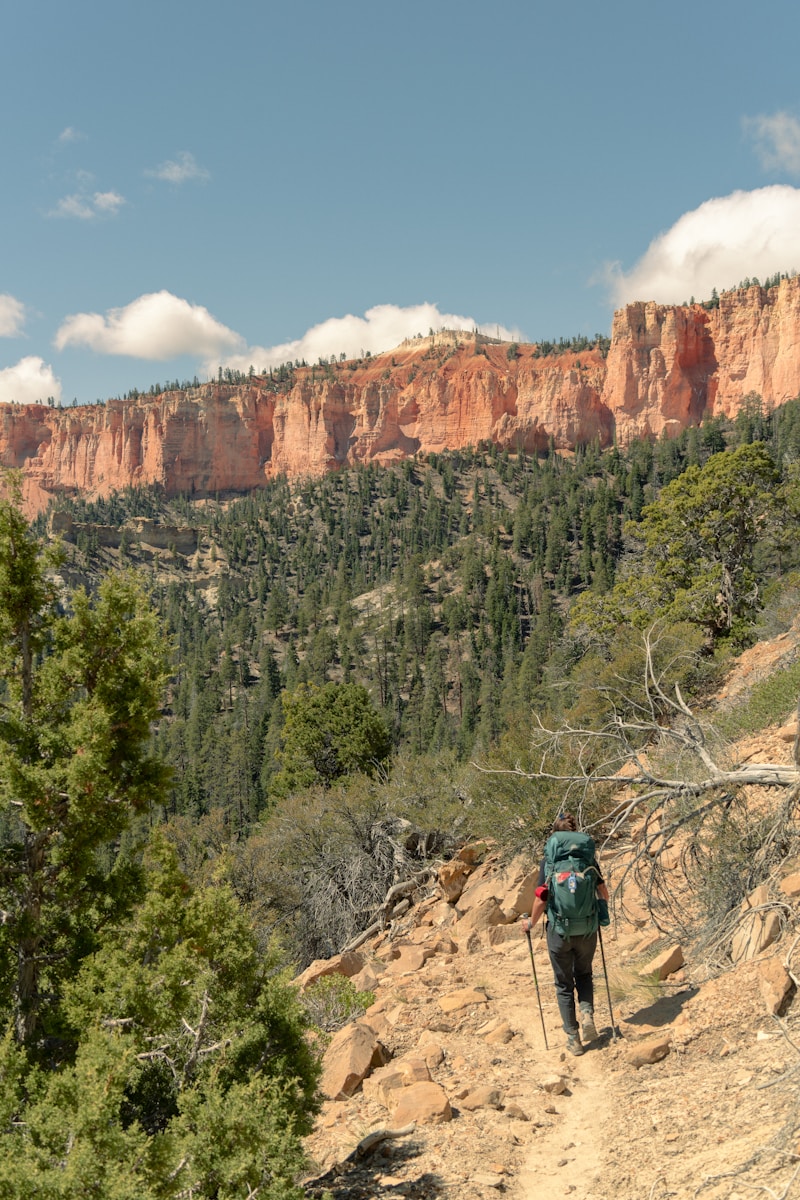
You’re not here for a casual stroll. You’re here for the 7 Most Challenging Hikes in the US, the routes that burn quads, scramble nerves, and demand sharp judgment. These aren’t bucket-list photo ops: they’re full-value days (and often nights) where your preparation shows. If you love precise navigation, aggressive elevation gain, and managing real risk, you’ll feel right at home. Let’s set the stage, dial in your skills and gear, and then walk through the seven routes that will test your limits in very different ways.
What Makes These Hikes So Demanding
Extreme Elevation Gain And Exposure
The common thread is vertical, thousands of feet of gain, often delivered fast. Aasgard Pass rises roughly 2,000 feet in a mile. Half Dome stacks roughly 4,800 feet of climbing from the valley before you even touch the cables. On exposed traverses and knife-edge sections, you’re moving where a stumble has consequences. Wet granite, ball-bearing scree, and crumbling desert ledges turn routine steps into must-not-miss moments.
Route-Finding And Technical Terrain
Don’t expect a gentle, well-marked path. In the Maze District, cairns fade into sandstone puzzles and your GPS track can waver in canyons. The Mountaineers Route on Whitney adds Class 3 scrambling and seasonal snow or verglas, moves that require deliberate three-point contact and a cool head. Technical complexity compounds fatigue, and the penalty for sloppy navigation isn’t just lost time: it can be a dead end above a cliff band.
Weather Volatility And Remoteness
America’s toughest hikes stack the deck: alpine thunderstorms rolling across the Presidential Range, flash floods in desert narrows, heat radiating off the Grand Canyon like an open oven door, or Hawaiian mud that turns the Kalalau into a slip-and-slide above surf. Remoteness magnifies every problem. When the nearest bailout is six miles of talus or a chopper ride you really don’t want to need, your decisions matter.
Essential Skills And Gear Checklist
Navigation, Self-Rescue, And Fitness Benchmarks
You should be comfortable with map, compass, and an offline GPS app, and know how to reconcile discrepancies between them. Expect to backtrack, contour around cliffs, and identify the safest line when the “trail” disappears. Self-rescue basics (splinting, blister management, heat illness treatment, hypothermia protocols) aren’t optional. Fitness-wise, be ready for 6,000–10,000 feet of gain in a day, long carries with a full pack, and sustained movement for 10–16 hours without your form falling apart.
Protective And Technical Gear
Pack light, but not fragile. A capable shoe with secure edging and wet-traction rubber beats a marshmallowy trainer. Trekking poles help on relentless descents. In shoulder seasons, microspikes or crampons and an ice axe can turn a no-go into a yes, but only if you actually know how to use them. A climbing-rated helmet is smart on rockfall-prone gullies. Sun protection is non-negotiable in high desert and alpine. And while gloves seem minor, your hands will thank you on cables, talus, and hot rock.
Nutrition, Hydration, And Altitude Strategy
Heat and altitude magnify small mistakes. Sip consistently, don’t chug only when you’re parched. In the desert, 0.5–1 liter per hour is common: more in extreme heat. Electrolytes stave off cramping and the bonk. Eat early and often, real food plus calorie-dense snacks, and test everything on training days. Above 8,000 feet, slow your pace, guard against overexertion, and recognize early signs of AMS. If symptoms escalate, descend. Pride doesn’t fix edema.
- Core carry: paper map + compass, GPS with offline maps, satellite messenger, headlamp with spare batteries, first-aid kit, blister care, sun protection, insulating layer, rain shell, emergency bivy, 3–5 liters water capacity, water treatment, high-calorie food, trekking poles, repair tape/cordage.
The 7 Hardest US Hikes To Test Your Limits
Kalalau Trail, Kauai, Hawaii
Distance: 22 miles round trip to Kalalau Beach, with side trips adding more. The Na Pali Coast is paradise with teeth, slick mud, eroded cliffs, and the infamous “Crawler’s Ledge,” where exposure and wind can rattle even steady hikers. Summer brings drier footing but brutal sun: winter amplifies rain, stream crossings, and landslide risk. Water sources require treatment, and rescues are slow. If the forecast spikes, you turn around, simple as that.
Half Dome Via Cables, Yosemite, California
Roughly 14–16 miles and 4,800 feet of gain from the valley. The hike is a grind even before the granite finale. The cables section looks straightforward until it’s wet, crowded, or you hit your limit with exposure. A thunderstorm anywhere near the summit is a hard no-go. Your day hinges on pacing and timing, start early, mind the heat in the Mist Trail, and protect your legs for the knee-smashing descent.
The Presidential Traverse, New Hampshire
A marquee sufferfest: 20–24 miles, 8,000–9,000 feet of gain over consecutive 4,000-footers, most of it on ankle-twisting rock. Weather on Mount Washington holds records for a reason: winds can knock you down on a blue-sky morning. The huts and bailouts help, but don’t count on easy exits. Strong, steady cadence is everything. On a good day, it’s transcendent. On a bad day, it’s a masterclass in Type 2 regret.
Grand Canyon Rim-To-Rim-To-Rim, Arizona
Call it 42–48 miles and 10,000–11,000 feet of cumulative gain. The canyon bakes you from below while the rims stay cool, a cruel trick unless you plan for it. Water availability changes by season and pipeline status: one broken pipe can reshape your strategy. Heat illness is the number-one hazard. The smart play is shoulder-season windows, conservative pacing through the Inner Gorge, and a stash plan that doesn’t hinge on a single spigot.
The Enchantments Thru-Hike, Washington
About 18–20 miles point-to-point, highlighted by Aasgard Pass, the steep gateway to the Core Zone. Expect granite slabs, lingering snow into early summer, and talus that punishes sloppy footwork. The payoff is unreal: turquoise lakes, mountain goats, golden larches in fall. But don’t mistake pretty for easy. Early starts, secure footing on slabs, and crisp navigation in the upper basins make or break your day.
Mount Whitney Mountaineers Route, California
A more committing alternative to the main trail, this line threads steep scree, slabs, and a narrow chute to the summit at 14,505 feet. In early season, ice axe and crampons are standard: rockfall is an objective hazard year-round. The route demands confidence with Class 3 movement, comfort with exposure, and the willingness to turn back when conditions glaze over. Altitude will test you even if you’re fit.
The Maze District, Canyonlands National Park, Utah
The Maze earns its name. Trails blur into sandstone, dead-end canyons, and cryptobiotic crust that you must not step on. Distances are deceptive: short on the map, long in reality. Water is scarce and often silty: caches may be necessary and must be done legally. Self-reliance is total, no crowds, no quick rescues, and plenty of route-finding riddles under a punishing sun.
Permits, Seasons, And Logistics
Permit Hotspots And How To Secure Them
Several of the 7 Most Challenging Hikes in the US require permits with tight quotas. Half Dome uses a lottery system for cables: Mount Whitney (including the Mountaineers Route) is a high-demand lottery: the Enchantments Core Zone permits are among the hardest in the country: the Kalalau Trail requires advance camping permits: the Maze District needs backcountry permits with carefully planned itineraries. Rim-to-Rim-to-Rim can be day-hiked without a permit, but corridor campgrounds book up fast if you’re overnighting. Apply early on Recreation.gov, know the windows, and have backup dates and group sizes ready.
Ideal Windows And Weather Watchouts
- Sierra high country (Whitney, Half Dome): typically late June–September for snow-free conditions: early season can be excellent for skilled teams with snow tools. Afternoon thunderstorms are a summer staple.
- Pacific Northwest (Enchantments): late July–October. Early summer snow lingers: autumn larches draw crowds, and ice.
- Hawaii (Kalalau): summer is drier: winter storms increase landslides and dangerous stream crossings.
- New England (Presidentials): late June–September for the best odds, but winds and hypothermia remain real even in July.
- Grand Canyon: spring and fall are prime. Summer heat is hazardous below the rim: winter brings icy rim trails.
- Canyonlands Maze: spring and fall for tolerable temps: summer is brutally hot, winter can be frigid and remote.
Shuttle, Water, And Bailout Considerations
Point-to-point routes need logistics. The Enchantments require a car shuttle or rideshare plan between Stuart Lake and Snow Lakes trailheads. Rim-to-Rim-to-Rim demands either self-shuttling, a commercial shuttle, or you commit to the full out-and-back. In the Grand Canyon, verify seasonal water at Phantom Ranch, Cottonwood, and along Bright Angel: carry treatment regardless. The Presidentials offer several bailout trails, but they’re still long and rocky. Kalalau and the Maze have virtually no quick exits, build weather buffers and don’t let a return flight dictate your go/no-go.
Risk Management And Leave No Trace
Objective Hazards And Go/No-Go Decisions
Heat illness, hypothermia, lightning, rockfall, river crossings, flash floods, and altitude sickness are the usual suspects. Your process matters: check multiple forecasts, set turnaround times, pre-define conditions that cancel the attempt (storms near Half Dome, high winds on Washington, extreme heat in the Canyon), and stick to them. If your pace slips below plan early, that’s data, adjust or call it.
Emergencies, Communication, And Insurance
Carry a satellite messenger or PLB and know how to use it. Share a route plan with a check-in cadence and an overdue protocol. In much of the US, ground search-and-rescue is taxpayer-funded, but medical transport and treatment can be costly, especially for non-residents. Consider rescue/evac coverage as part of your risk budget. A compact medical kit and the skills to use it are worth more than the latest ultralight toy.
Minimizing Impact In Sensitive Areas
Stay on durable surfaces, step on rock where cryptobiotic soil is present, and give wildlife space. Pack out all trash and food waste. In alpine and desert zones with thin soils or heavy use, Whitney, the Enchantments, the Maze, pack out human waste when required or recommended. Camp only in designated or durable sites, keep groups small, and keep noise down. The places that challenge you most are often the most fragile.
Conclusion
If you’re chasing the 7 Most Challenging Hikes in the US, you already know suffering can be a feature, not a bug. The difference between a legendary day and a cautionary tale is preparation: airtight logistics, honest pacing, and the discipline to turn around when the mountain says no. Pick your window, train smart, dial your kit, and keep your impact light. With the right respect, these routes will hand you exactly what you came for: a hard-earned summit, a deep dose of humility, and a story you’ll tell for years.
Frequently Asked Questions
What makes the 7 Most Challenging Hikes in the US so difficult?
They combine massive elevation gain, exposure, and complex route-finding with volatile weather and remoteness. Expect fast vertical (e.g., Aasgard Pass), Class 3 scrambling on Whitney’s Mountaineers Route, slippery mud or scree, desert heat, alpine storms, scarce water, and long, committing sections where a mistake or poor timing has real consequences.
Which permits do I need and how do I secure them for these routes?
Half Dome cables and Mount Whitney (including the Mountaineers Route) use lotteries. The Enchantments Core Zone and Kalalau camping require advance permits; the Maze needs backcountry permits with detailed itineraries. Rim-to-Rim-to-Rim can be day-hiked without a permit. Apply early on Recreation.gov, monitor windows, and keep backup dates and group sizes.
When is the best season to attempt the 7 Most Challenging Hikes in the US?
Sierra high country (Whitney, Half Dome): late June–September. Enchantments: late July–October. Kalalau: drier in summer; winter increases landslide/stream risks. Presidentials: late June–September, but winds remain severe. Grand Canyon: spring/fall are prime; summer heat is hazardous. Maze District: spring/fall for tolerable temps; summer is brutal, winter frigid and remote.
How should I train for these demanding hikes?
Prioritize weekly vertical gain (4,000–8,000+ feet), back-to-back long days, and loaded carries that mirror your pack weight. Practice talus travel and Class 3 movement, plus heat acclimation and pacing at altitude. Dial fueling and electrolytes on training days, and build durability for 10–16 hours of steady movement without form breakdown.
Which hike is the hardest among these seven?
It depends on conditions and your strengths. The Maze is most committing for navigation and self-reliance; Rim-to-Rim-to-Rim punishes endurance and heat management; the Presidential Traverse can be savage in wind. Whitney’s Mountaineers Route adds exposure and altitude. “Hardest” shifts with weather, season, and your technical, fitness, and risk-management skills.
No responses yet