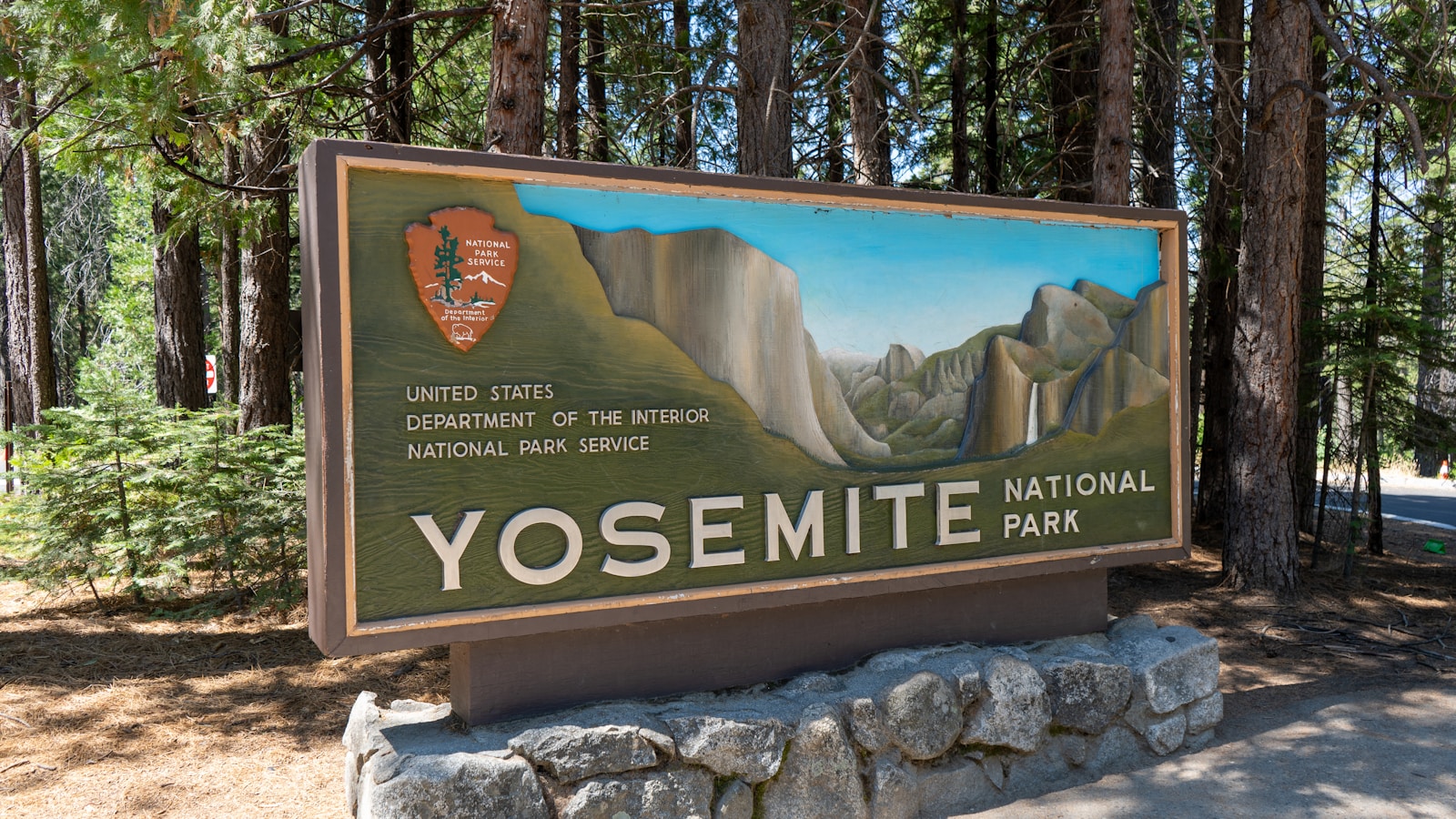
Planning Yosemite can feel like stitching together a dozen trip types at once, iconic hikes, seasonal road closures, tricky permits, and wildly different lodging options. This is The Ultimate Yosemite National Park Guide: Trails, Permits, and Lodging you can actually use: clear timing advice, how to secure permits, where to stay, and the best trails for your time and skill level. You’ll know when to go, how to move around efficiently, and what to book (and when) so you spend more time under granite walls and less time refreshing reservation pages.
When To Go And How To Get Around
Best Seasons And Weather Patterns
Yosemite changes character with the calendar. Spring (April–June) brings roaring waterfalls and cool mornings: it’s the most dramatic season in the Valley, though higher-elevation roads and trails may still hold snow. Summer (July–August) is peak season, long days, warm temps, big crowds. Fall (September–October) trades waterfalls for clear air, stable weather, and brilliant granite light. Winter (November–March) is quiet and magical in the Valley with occasional snow, limited services in the high country, and short days.
Expect daily temperature swings. Yosemite Valley sits near 4,000 feet: summer afternoons can hit the 90s°F with cool nights. Tuolumne Meadows, around 8,600 feet, stays 10–20 degrees cooler and often retains snow into early summer.
Road Openings, Closures, And Snow Impacts
Two seasonal roads define access. Tioga Road (Highway 120 through the high country/Tuolumne Meadows) typically opens late May to July depending on snowpack and closes around November. Glacier Point Road usually opens late spring and closes with the first substantial snow. After storms, chains may be required. Always check current conditions with the National Park Service before you lock in plans: an epic winter can push openings well into summer.
Snow lingers on north-facing slopes: early-season hikes above 8,000 feet can involve snow travel and route-finding. Late summer brings smoke risk during regional wildfire season, stay flexible and monitor air quality.
Driving, Parking, And Shuttle Options
You can drive into Yosemite Valley year-round (weather permitting), but parking fills by mid-morning in peak months. Arrive early, park once, and use the free Valleywide shuttle to hit major trailheads (Yosemite Falls, Mist Trail/Happy Isles, Mirror Lake). Seasonal shuttles and paid bus tours operate to Glacier Point when roads are open. Avoid midday arrivals on weekends and holidays if you can: the difference between a smooth day and gridlock can be a 90-minute head start.
Essential Permits And Reservations
Park Entry, Timed Reservations, And Peak Days
In some years, Yosemite requires peak-hours reservations for driving into the park during busy periods (often spring–fall weekends/holidays and summer). The details change year to year, check the official site and book the earliest release window. Even when no timed entry is needed, entrance stations can back up: arriving before 8 am helps.
Lodging and campground reservations are separate from park entry. If reservations are required for entry, each vehicle needs one for the specific date/time window.
Wilderness And Backpacking Permits
Overnight backpacking anywhere in Yosemite’s wilderness requires a permit tied to your trailhead. Most are reservable in advance on Recreation.gov with a rolling window, and a smaller pool is released closer to the start date. Quotas are strictly enforced to protect fragile corridors. Pick the trailhead that matches your route plan and read the fine print on camping zones and layover nights. Show up for your pickup time with an approved bear canister and an exit strategy if conditions shift.
Half Dome Permits And Cables Season
The famous Half Dome cables typically go up from late May to early October, weather and conditions permitting. To climb when cables are up, you need a Half Dome permit (separate from a wilderness permit unless you’re on a permitted overnight itinerary that includes Half Dome). The main release is a preseason lottery, with limited daily lotteries during the cables season. Don’t underestimate the route: 14–16 miles round-trip with 4,800+ feet of gain. Gloves with grip, plenty of water, and a head for exposure are essential.
Regulations: Food Storage, Fires, And Bear Canisters
Bears are active across Yosemite. In frontcountry areas, use metal food lockers, never leave scented items in cars overnight. In the backcountry, bear canisters are required in most zones: they’re the gold standard for both safety and compliance. Campfires are allowed only where posted and may be prohibited seasonally at higher elevations or during fire restrictions. Pack out all trash (microtrash too), strain dishwater, and keep camps at least 100 feet from water sources.
Top Trails And Hikes
Easy Scenic Walks: Yosemite Valley Loop, Lower Falls, Cook’s Meadow
If you’re easing in, the Valley Loop Trail offers flat miles with world-class views, El Capitan, Cathedral Spires, river reflections. The short walk to Lower Yosemite Fall is family-friendly and spectacular in spring. Cook’s Meadow Loop gives you dreamy sunset angles on Half Dome and Sentinel with minimal effort.
Classic Day Hikes: Mist Trail, Four Mile, Panorama, Taft Point
The Mist Trail to Vernal and Nevada Falls is Yosemite’s signature stair climb, expect spray and crowds: microspikes can help in early season. Four Mile Trail rockets from the Valley to Glacier Point with constant views: combine with the Panorama Trail for a mega day linking Illilouette and Nevada Falls, then return via the John Muir Trail. For a shorter outing with a big payoff, Taft Point and Sentinel Dome deliver airy fissures and a 360-degree summit panorama.
Strenuous Routes: Half Dome, Clouds Rest, Mount Dana, High Sierra
Half Dome is the headline, but Clouds Rest arguably offers the best Half Dome view in the park with fewer nerves on the ascent. Mount Dana (13,061 feet) starts near Tioga Pass and climbs fast into thin air, loose rock, huge payoff. Multi-day trekkers can stitch pieces of the High Sierra Camps loop or tackle sections of the John Muir Trail: just mind quotas and early-season snow bridges.
Seasonal Considerations: Waterfalls, Heat, Snow, And Altitude
Waterfalls peak in May–June: by late summer many shrink to a whisper. Summer heat in the Valley is real, start at dawn and prioritize shaded ascents. Above 8,000 feet, lingering snow can obscure trails into early July in big snow years. If you’re new to altitude, Tuolumne day hikes are a good acclimatization step before a Dana or Clouds Rest push. Always carry a map/GPS and be ready to pivot, Yosemite rewards flexibility.
Where To Stay: Lodging And Camping
In-Park Hotels And Lodges
Staying inside the park buys you sunrise trailheads and starlit walks back to bed. The Ahwahnee offers historic charm and a grand dining room: Yosemite Valley Lodge sits a short stroll from Yosemite Falls: Curry Village (Half Dome Village) has heated canvas tents and cabins. In the high country, Tuolumne Meadows Lodge (tent cabins) is typically open in summer only. Book as far ahead as you can, peak dates vanish quickly.
Campgrounds And Reservation Windows
Valley campgrounds like Upper Pines and North Pines are prime and book through Recreation.gov, often selling out within minutes when summer blocks open months ahead. Hodgdon Meadow and Wawona work well for mixed sightseeing days. First-come options are limited and unpredictable in peak season. Read site length limits carefully if you’re bringing an RV, and watch for seasonal closures during floods or heavy snow years.
Backcountry Camping And Stocked Resupply Tips
For multi-night trips, plan your bear canister capacity based on actual daily calories, not just days out. Resupplying inside the park is limited and expensive: stage food in nearby towns before you enter. Rangers check permits and storage compliance, have your itinerary handy and know your designated first-night camping zone.
Nearby Towns: El Portal, Mariposa, Oakhurst, Groveland, Lee Vining
Each gateway town has a personality. El Portal is the closest to the Valley and great for early starts. Mariposa (Hwy 140) and Oakhurst (Hwy 41) are larger, with more dining and lodging. Groveland (Hwy 120 west) is convenient for Hetch Hetchy or Crane Flat. Lee Vining on the east side positions you for Tioga Pass dawn missions and Mono Lake sunsets, perfect in summer when the high country is open.
Trip Planning And Sample Itineraries
One Day: Valley Highlights Without The Rush
Park early at Yosemite Village or near Curry Village. Walk Cook’s Meadow at sunrise, then tackle the Mist Trail to Vernal Fall footbridge or push to the top of Vernal if you’re moving well. Lunch near the Merced River, then visit Yosemite Falls in the afternoon shade. End with Tunnel View golden hour. If shuttles are running, use them to cut transit time.
Two To Three Days: Valley Plus Glacier Point Or Mariposa Grove
Day 1 mirrors the Valley highlights above. Day 2, drive Glacier Point Road (when open) and hike Taft Point and Sentinel Dome: advanced hikers can descend Four Mile and shuttle or rideshare back to the car. If Glacier Point Road is closed, head south to Mariposa Grove for giant sequoias, pick the Grizzly Giant Loop or the longer Upper Grove trails. Day 3, add Mirror Lake, bike the Valley Loop, or cool off along the river beaches upstream of Sentinel Bridge.
Four To Five Days: Add Tuolumne Meadows And Tioga Road Gems
When Tioga Road is open, dedicate a full day to the high country. Warm up on Lembert Dome and Dog Lake, picnic along the Dana Fork, then cruise to Tenaya Lake for a swim. Strong hikers can aim for Clouds Rest or Mount Dana (acclimatize first). Use your final day to pick a lesser-known stop, May Lake, North Dome, or Hetch Hetchy’s scenic Wapama Falls, depending on temps and road status.
To keep planning simple:
- Book lodging/camping first, then layer in permits and day-by-day hikes based on road status and weather.
Safety, Leave No Trace, And Wildlife
Bear Safety And Food Storage Protocols
Bears associate cars and backpacks with calories when visitors get sloppy. Use bear boxes in camp, keep packs within arm’s reach, and never leave food or scented items unattended. If you encounter a bear on trail, give space, speak calmly, and back away, never run. Report aggressive behavior to rangers.
Hydration, Heat, Altitude, And Weather Readiness
Carry more water than you think you’ll need, 2 to 3 liters per person for moderate day hikes, more in summer heat. Treat all natural water. Pack layers: sun hoodie, insulating midlayer, and a rain shell year-round: thunderstorms can bloom quickly at elevation. Know your limits with altitude: if you feel headachy or nauseous, descend and rest.
Trail Etiquette, LNT Principles, And Permit Compliance
Yield uphill hikers. Step off durable surfaces to let stock pass. Stay on trail to protect cryptobiotic crusts and fragile meadows. Pack out all waste, including TP: use wag bags where required. Permits exist to keep Yosemite wild, carry them, follow camping zones, and respect fire restrictions. Your choices ripple outward in such a high-traffic park.
Conclusion
Yosemite rewards decisiveness and humility: book early, start early, and adapt as conditions change. With this Ultimate Yosemite National Park Guide, trails, permits, and lodging, you’ve got a clear framework: time your visit to the season you want, secure the right permits, choose lodging that shortens your commute, and pick trails that match your energy and the weather. Do that, and Yosemite’s granite, water, and sky will do the rest.
Frequently Asked Questions
What is the best time to visit Yosemite National Park?
Spring (April–June) showcases peak waterfalls and cool mornings, though high-country snow can linger. Summer (July–August) offers long days and big crowds. Fall (September–October) brings clear, stable weather with fewer waterfalls. Winter is quiet and magical in the Valley. This Yosemite National Park guide favors early starts year-round to avoid congestion.
Do I need a reservation to drive into Yosemite during summer or holidays?
Some years Yosemite requires peak-hours reservations for vehicle entry on busy spring–fall dates. Policies change annually, so check the NPS site and book the earliest release window. Lodging and campground bookings are separate. Even without timed entry, aim to arrive before 8 am to minimize entrance backups in Yosemite National Park.
How do Half Dome permits work, and when are the cables up?
Half Dome cables usually run from late May to early October, conditions permitting. Day hikers need a Half Dome permit via a preseason lottery, with limited daily lotteries during the cables season. Expect 14–16 miles and 4,800+ feet of gain—bring grippy gloves, plenty of water, and be comfortable with exposure.
Where should I stay for Yosemite National Park—inside the park or nearby towns?
In-park stays (The Ahwahnee, Yosemite Valley Lodge, Curry Village, Tuolumne Meadows Lodge in summer) cut commute times and sell out fast. Nearby towns offer flexibility: El Portal for earliest Valley starts; Mariposa and Oakhurst for more amenities; Groveland for Hetch Hetchy access; Lee Vining for Tioga Pass and Mono Lake.
Is there cell service or Wi‑Fi in Yosemite, and how should I navigate offline?
Coverage is limited—strongest in Yosemite Valley near visitor areas and lodges; high country and many trails have little to none. Some lodges offer intermittent Wi‑Fi. Download offline maps (GPS app and Google Maps), carry a paper map, bring a battery pack, and set meetup points before heading out.
Are dogs allowed on Yosemite trails, and where can I take pets?
Pets must be leashed (6 ft max) and are allowed in developed areas, paved roads, campgrounds with rules, and some bike paths. They’re not allowed on unpaved trails, shuttle buses, in wilderness, or most lodging (service animals excepted). Never leave pets in hot vehicles and always pack out waste.
No responses yet