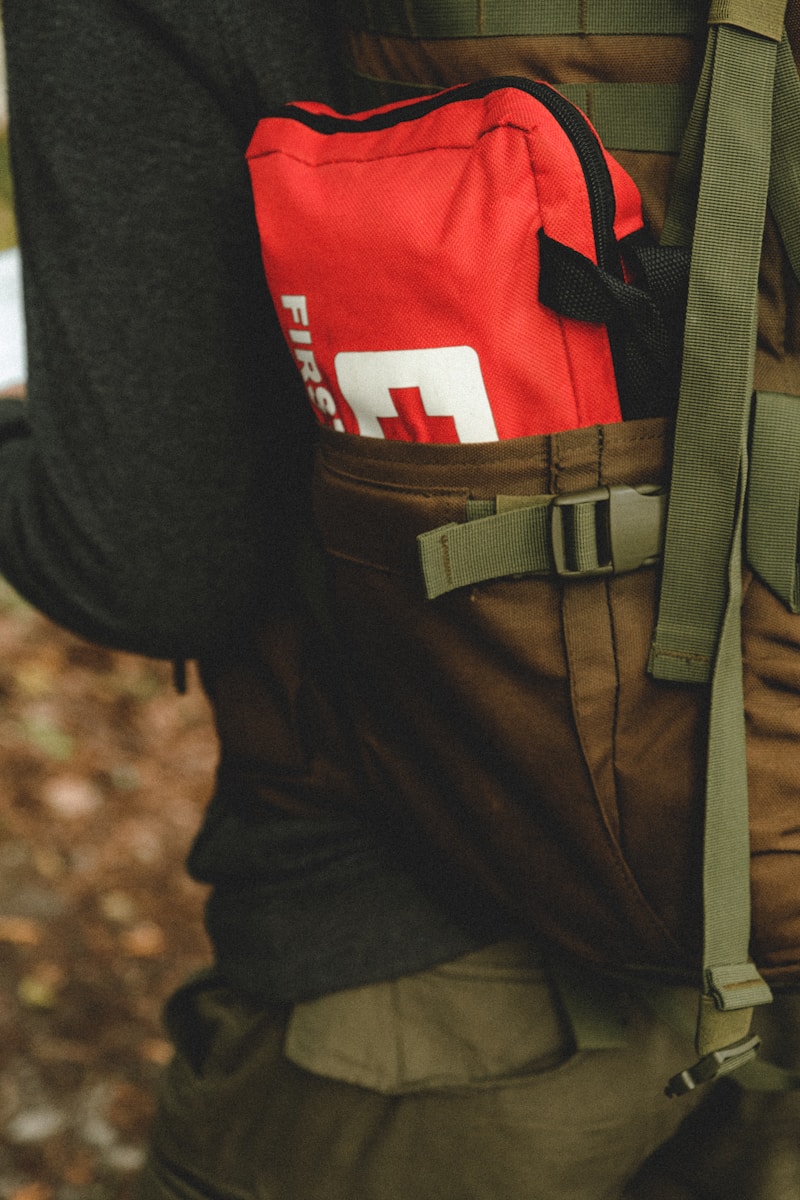
A twisted ankle at mile eight. A blister forming just as the climb starts. A sudden allergic reaction far from the trailhead. Wilderness first aid isn’t about playing doctor, it’s about buying time, preventing small issues from spiraling, and getting yourself or a partner back to the car safely. With a hiking medical kit that’s lean, weatherproof, and thoughtfully packed, you’re not improvising with duct tape and hope. You’re ready. Here’s how to build that trail-ready kit and the 10 must-haves you shouldn’t leave behind.
Why A Dedicated Hiking Medical Kit Matters
A dedicated hiking medical kit solves three problems at once: speed, suitability, and reliability. In the backcountry, minutes matter. You want to reach what you need, fast, without digging through a jumble of bandages or half-empty bottles. You also want supplies that match trail realities, dust, sweat, rain, and uneven ground, not a generic pharmacy stash in a zip-top bag.
More importantly, the right kit is a prevention tool. Blister pads stop hot spots before they become trip-ending wounds. Antiseptics and irrigation prevent infections that can go south when you’re days from definitive care. Elastic wraps stabilize minor sprains so you can hike out instead of calling for rescue. You’re not trying to carry an ER on your back: you’re building a compact system that keeps problems small and buys you time when they aren’t.
How To Choose And Pack A Trail-Ready Kit
Right-Size, Waterproof, And Weatherproof
Choose a bag that fits your trip length and group size. For day hikes, a compact pouch (about 1–2 liters) is plenty. For overnights or guiding a group, scale up and duplicate critical items. Waterproofing matters: a coated pouch or roll-top dry bag keeps gauze and meds usable after a surprise downpour or a creek slip. If your climate swings from hot to freezing, protect gels and liquids in an inner dry bag and keep meds in blister packs to block humidity.
Organize For Speed: Pouches, Labels, And Dry Bags
In a stressful moment, your brain loves systems. Break your kit into color-coded or labeled pouches, wound care, meds,tools, and protection. Use clear mini dry bags for items that must stay sterile. Put the most-used items, blister care, bandages, gloves, right on top. A small headlamp or mini light inside your kit is gold when injuries happen at dusk. And stash an extra roll of tape on the outside of the pouch for quick access.
Personal Needs: Allergies, Prescriptions, And Trip Context
Your hiking medical kit should reflect you and your route. If you have allergies, pack your antihistamine of choice and, if prescribed, an epinephrine auto-injector. If you carry an inhaler or other daily meds, include an extra dose in your kit. Then match your supplies to terrain and season: desert trips call for extra irrigation water and burn gel: alpine missions demand cold-weather hand warmers and a more robust hypothermia plan. Going solo? Add a louder whistle and a backup power bank. Leading a group? Bring extra gloves and duplicate critical meds.
The 10 Must-Haves For Your Hiking Medical Kit
1) Blister Care: Hydrocolloid Pads, Moleskin, And Tape
Foot problems end more trips than dramatic injuries. Stop hot spots with moleskin or kinesiology/cloth tape before they blister. If a blister forms, hydrocolloid pads cushion and seal to promote healing and reduce friction. Trim pads to size and round the corners so they stick longer.
2) Wound Care: Gauze, Non-Stick Pads, And Irrigation Syringe
Dirt and debris are your enemies. A 10–20 mL syringe with an 18-gauge catheter tip lets you flush wounds at decent pressure, clearing grit without scrubbing. Follow with sterile gauze to absorb and a non-stick pad to cover. Secure with tape or an elastic wrap. If bleeding is moderate, use direct pressure and elevate: pack extra gauze rolls so you can swap saturated dressings.
3) Antiseptics: Povidone-Iodine, Chlorhexidine, And Alcohol Wipes
After irrigation, antiseptics lower infection risk. Povidone-iodine or chlorhexidine (in single-use swabs or small dropper bottles) are reliable choices for skin cleaning. Alcohol wipes are great for instrument disinfection and skin prep but can sting in open wounds, use judiciously.
4) Bandages And Tape: Elastic Wrap, Cloth Tape, And Finger Strips
An elastic wrap stabilizes sprains, secures bulky dressings, and compresses to reduce swelling. Cloth medical tape sticks better than glossy athletic tape to sweaty skin and gear. Include a few finger/knuckle bandages: they stay put on joints where regular strips lift quickly.
5) Essential Medications: Pain Relief, Antihistamine, And GI Aids
Carry a small, clearly labeled selection: an NSAID (like ibuprofen) for pain/inflammation, acetaminophen if you can’t take NSAIDs, a non-drowsy antihistamine (cetirizine) for mild allergic reactions, and diphenhydramine for hives or nighttime itching. Add GI helpers: loperamide for diarrhea, bismuth for upset stomach, and oral rehydration salts to bounce back after a gut bug or heat cramp.
6) Topical Treatments: Antibiotic Ointment, Hydrocortisone, And Burn Gel
A thin layer of antibiotic ointment on minor cuts reduces infection risk. Hydrocortisone 1% calms rashes, bug bites, and plant reactions. A small packet of burn gel (or aloe-based gel) soothes minor burns and sunburn, especially on long, exposed ridges.
7) Tweezers And Tick Remover
Fine-tip tweezers pull splinters, cactus spines, and thorns without tearing skin. A dedicated tick remover or “tick key” helps you extract the whole tick cleanly by the head. After removal, clean the site and monitor for rash or flu-like symptoms over the next days.
8) Splinting Supplies: Triangular Bandage And Moldable Splint
A triangular bandage is ultralight and ridiculously versatile: sling, swathe, pressure bandage, or head wrap. Pair it with a moldable aluminum-foam splint to immobilize sprains and suspected fractures for the hike out. Pad bony points with spare clothing to prevent chafing.
9) Barrier Protection: Nitrile Gloves And CPR Face Shield
Nitrile gloves protect you and your partner, and they keep wounds cleaner during treatment. A compact CPR face shield reduces hesitation in a life-threatening scenario and helps maintain safer hygiene if you’re trained to provide rescue breaths.
10) Emergency Blanket For Warmth And Shock Prevention
A reflective emergency blanket weighs almost nothing and earns its space on every single trip. Use it to retain body heat, treat hypothermia, protect a patient from wind and damp ground, or create shade. In any serious injury, warmth matters, cold stress worsens outcomes.
Skills That Make Your Kit More Effective
Primary Survey: ABCDE And Scene Safety
Before you touch your kit, make the scene safe. Then run a quick primary survey: ABCDE, Airway, Breathing, Circulation, Disability (mental status and neurological check), Exposure/Environment (look for hidden injuries and protect from heat/cold). This structured scan catches life threats fast and guides your next move.
SOAP Notes And Monitoring Vitals
When something goes wrong, write it down. SOAP, Subjective (what happened, what they feel), Objective (what you observe, vitals), Assessment (your best take on the problem), Plan (what you’ll do). Track vitals every 10–15 minutes for serious issues: level of responsiveness, pulse, respirations, skin color/temp, and, if you carry one, pulse oximetry. Good notes help you make better decisions and give rescuers a head start.
Practice Scenarios And Kit Familiarity
Open your kit at home. Practice taping a hot spot, irrigating a mock cut, applying a sling, and building a simple splint with your actual supplies and trekking poles. Time yourself. The goal isn’t perfection, it’s calm, confident muscle memory when the real moment arrives.
Maintenance And Smart Add-Ons
Restock, Rotate, And Inspect Before Every Trip
Make restocking a ritual. Replace used items immediately, rotate meds before they expire, and check packaging for tears or moisture damage. Confirm your irrigation syringe still works, tapes still stick, and gloves aren’t brittle. If you dipped into your kit last trip, top it up before tossing it back in your pack.
Trip-Specific Additions: EpiPen, Inhaler, Altitude And Cold-Weather Items
Customize for the plan and the people. Epinephrine auto-injector for known severe allergies: a spare inhaler if asthma’s a factor. For high routes, consider altitude meds if prescribed and pack sun protection plus extra hydration tools. In cold seasons, add chemical warmers, extra emergency blanket or bivy, and more robust insulation to prevent hypothermia.
Group Gear Coordination And Shared Responsibilities
If you’re hiking in a group, compare kits at the trailhead to avoid gaps and wasteful duplicates. Decide who carries the primary kit and who backs up critical items like gloves, antihistamines, and a second headlamp. Align on communication and emergency roles so you’re not improvising under stress.
When To Turn Back Or Call For Help
Red Flags: Uncontrolled Bleeding, Altered Mental Status, Chest Pain, Severe Allergic Reaction
Some problems demand evacuation or outside help, now. Red flags include heavy bleeding that doesn’t stop with direct pressure, confusion or loss of consciousness, signs of stroke, chest pain or shortness of breath, a severe allergic reaction with swelling of the face or throat, suspected spine injury, or any worsening condition you can’t stabilize. Trust your gut: the mountains will be there another day.
Communication Plan: Location, Battery Management, And Signaling
Tell someone your route and return time before you go. On trail, keep your phone warm and in airplane mode to save battery, carry a small power bank, and know where service might exist along the route. If you use a satellite messenger or PLB, wear it on your body, not buried in your pack. For low-tech signaling, a loud whistle and a signal mirror are tiny and effective. If you must call for help, be ready to share:
- Who is injured, what happened, and current condition
- Exact location (GPS coordinates or clear landmarks)
- What resources you have and where you can safely wait
Conclusion
You can’t predict every trail problem, but you can stack the odds in your favor. Build a dedicated, weatherproof hiking medical kit, master a few core wilderness first aid skills, and maintain your gear like you maintain your boots. Those 10 must-haves don’t weigh much, yet they carry you through the moments that matter, keeping small issues small and helping you make smart, safe decisions when they aren’t.
Frequently Asked Questions
What are the 10 must-haves for your hiking medical kit?
Pack blister care (moleskin, hydrocolloids, tape), wound care (gauze, non-stick pads, irrigation syringe), antiseptics (povidone-iodine/chlorhexidine, alcohol wipes), bandages and elastic wrap, essential medications, topical treatments, tweezers and tick remover, triangular bandage and moldable splint, nitrile gloves and CPR shield, and an emergency blanket.
How should I pack and organize a wilderness first aid kit for fast access?
Use a waterproof pouch sized to the trip, then organize by function: wound care, meds, tools, protection. Label or color-code pouches, keep blister care and gloves on top, and store sterile items in clear dry bags. Add a mini headlamp inside and stash an extra roll of tape outside.
Which medications belong in a hiking medical kit, and how should I carry them?
Include an NSAID for pain/inflammation, acetaminophen as an alternative, non-drowsy antihistamine (cetirizine), diphenhydramine for hives, loperamide, bismuth, and oral rehydration salts. Keep meds in labeled blister packs to resist moisture; add personal prescriptions (inhaler, epinephrine) as needed and duplicate critical doses.
When should I turn back or call for help during a backcountry first aid situation?
Evacuate or call for help for uncontrolled bleeding, altered mental status, chest pain, shortness of breath, signs of stroke, severe allergic reaction with facial or throat swelling, suspected spine injury, or any worsening condition you can’t stabilize. Share the patient’s condition, precise location, and available resources when you contact rescuers.
Should hikers carry a tourniquet for wilderness first aid?
For most hikes, direct pressure and ample gauze manage bleeding effectively. A tourniquet can be valuable for severe limb hemorrhage, remote terrain, or high-risk activities, but it requires proper training and periodic practice. If you carry one, choose a proven model and stage it for rapid access.
What first-aid training helps me use a hiking medical kit effectively?
A Wilderness First Aid (WFA) course is the best starting point; it teaches patient assessment, bleeding control, wound care, splinting, and evacuation decisions. For trip leaders or frequent backcountry travelers, consider Wilderness First Responder (WFR). Reinforce skills by practicing kit drills and scenario-based exercises before each season.
No responses yet