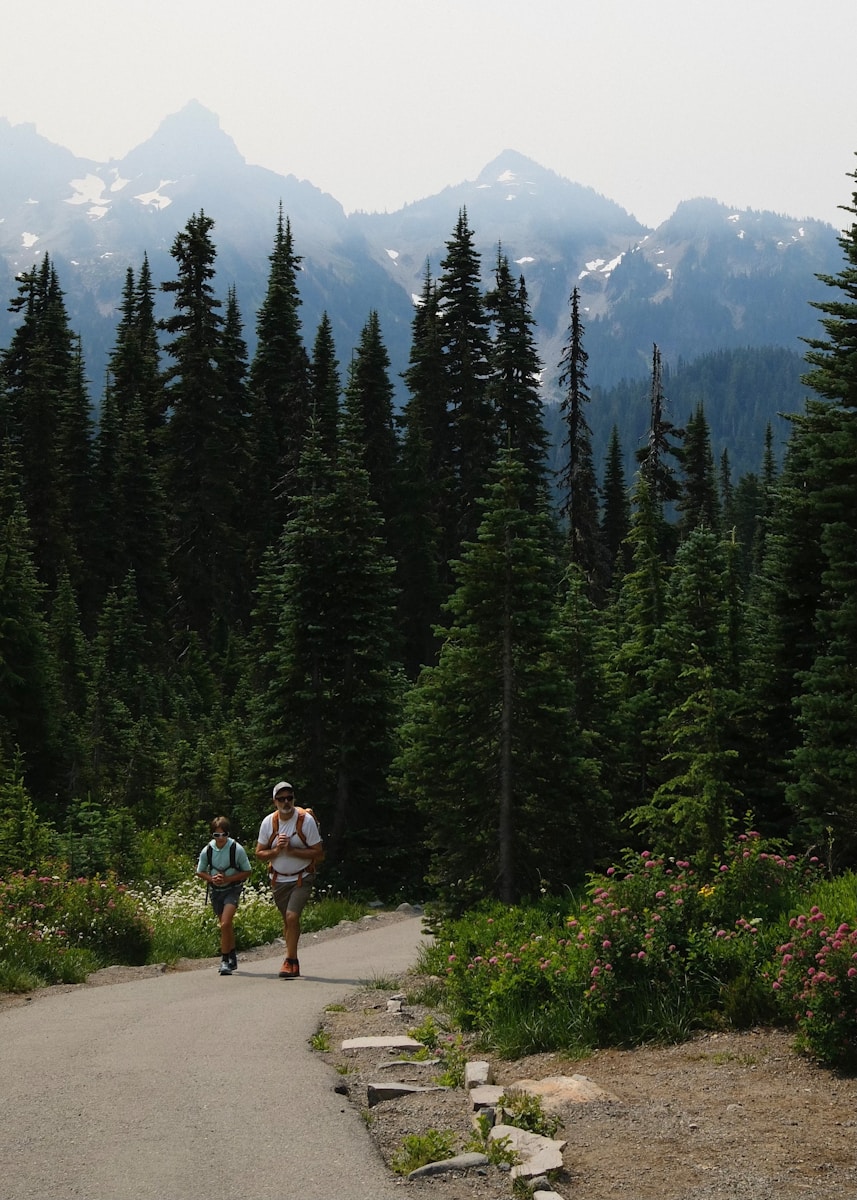
You don’t need to be a seasoned hiker to score jaw-dropping vistas. This guide rounds up the top beginner-friendly trails in US national parks with stunning views, routes that deliver big scenery for minimal effort. Whether you’ve got a stroller, a camera, or just a free morning, these short, well-marked paths give you classic overlooks, iconic formations, and wildlife moments without a grueling climb. Use the planning tips below, then pick your favorite trail and go get those postcard photos (the ones that make your group chat jealous).
How We Chose The Trails
You’re here for scenic payoffs without the pain. That’s exactly how these trails were selected. Each pick checks three boxes:
- Beginner-friendly: Well-signed, short distances (generally under 3 miles round trip), and manageable elevation. Where the grade is steep (looking at you, Clingmans Dome), the path is paved and straightforward.
- Views-first: These routes put you at signature overlooks, photogenic formations, or glassy lakes in minutes. Think amphitheaters of hoodoos, rainbow hot springs, and arches framing the desert.
- Practical access: Close to main park roads or visitor centers, typically open most of the main season, and suitable for a wide range of fitness levels and ages. Where terrain or weather can complicate things (snow at Logan Pass, heat in the Badlands), you’ll see notes so you can time it right.
Planning And Safety Tips For An Easy, Scenic Day
Beginner-friendly doesn’t mean risk-free. A little prep turns a good outing into a great one.
Pack the simple essentials:
- 1–2 liters of water per person, sun protection (hat, SPF 30+), grippy shoes (closed-toe: trails can be sandy, slick, or rocky), a light layer for changing weather, and a small snack. Add microspikes in shoulder seasons where ice lingers (Glacier, Bryce, Grand Canyon rims).
Check conditions before you go. Trail closures, wildlife activity, smoke, and heat advisories can change plans. NPS park pages and visitor centers post daily updates.
Know your elevation. High-altitude spots like Logan Pass (Glacier) and Clingmans Dome (Great Smokies) feel tougher than their mileage suggests. Take it slow, drink water, and rest when needed.
Respect boardwalks and thermal areas. In Yellowstone, stick to designated paths, ground off-trail can be thin and scalding.
Beat the heat and storms. Desert parks heat up fast: aim for mornings or late afternoons. In the Rockies and Cascades, summer thunderstorms often hit after lunch.
Wildlife etiquette matters. Give elk, bison, and mountain goats plenty of space (at least 25 yards: 100 for bears). Use a zoom lens instead of stepping closer.
Leave No Trace. Stay on trail, pack out trash, and don’t pick wildflowers, especially on fragile alpine meadows like Mount Rainier’s.
When To Go And How To Beat The Crowds
National parks are busiest from late spring through early fall, but you can still have a calm, scenic day with a little strategy.
Go early or late. Sunrise and the hour before sunset mean softer light, cooler temps, and fewer people. Night-before prep, parking plan, quick breakfast, helps you hit the trail right at first light.
Aim for shoulder seasons. May–early June and September–October bring thinner crowds and beautiful conditions in many parks. In northern parks (Glacier, Yellowstone), snow can linger into June: in desert parks, fall is prime.
Weekdays over weekends. A Tuesday morning can feel like a different park than a Saturday afternoon.
Park-and-walk smart. If a lot is full (Grand Prismatic, Bear Lake), wait for turnover or use shuttles where available (Bryce Canyon, Grand Canyon South Rim). Turning around and re-trying in 10–15 minutes often works.
Keep a backup trail in your pocket. If your first choice is jammed, a nearby alternative can save the day.
The Top 10 Beginner-Friendly Trails With Stunning Views
South Rim Trail (Mather Point To Yavapai Point), Grand Canyon National Park
This paved, mostly level rim stroll (~0.7 miles one way) packs a highlight reel of the canyon’s layers and depth. Start at Mather for the dramatic reveal, then walk to Yavapai Geology Museum for sweeping panoramas and insightful exhibits. Railings help with exposure, but minds will still be blown. Go early for cooler temps and golden light.
Sunrise To Sunset Point On The Rim Trail, Bryce Canyon National Park
About 1 mile one way, this gentle rim path links Bryce’s two most famous viewpoints. You’ll stare straight into the Bryce Amphitheater’s hoodoos that glow orange and pink at dawn. It’s mostly flat, great for families, and shuttle-accessible. Watch for icy patches in winter and spring, traction helps. Sunset’s alpenglow is unforgettable.
Bear Lake Loop, Rocky Mountain National Park
A postcard in motion. This 0.6-mile loop circles a reflective alpine lake beneath Hallett Peak and the Continental Divide. The path is easy, well-signed, and often maintained for accessibility, though snowpack can linger. Arrive early, parking fills fast, or use the shuttle from Estes Park side. Fall colors and early morning reflections are chef’s kiss.
Hidden Lake Overlook, Glacier National Park
From Logan Pass, follow boardwalks and trail about 2.7 miles round trip to a balcony above Hidden Lake. Expect moderate effort with roughly 540 feet of gain, still beginner-friendly if you pace yourself. Mountain goats and marmots are common. Snow can linger into July, so bring layers and traction if it’s early season.
Grand Prismatic Spring Overlook, Yellowstone National Park
Short hike, huge payoff. From the Fairy Falls trailhead, it’s roughly 1.2 miles round trip on a wide path with a brief uphill spur to the overlook. You’ll see the rainbow rings of the park’s most famous hot spring from a safe, elevated perch. Mid-morning on a cool day reduces steam so colors pop.
Jordan Pond Path, Acadia National Park
A serene 3.5-mile loop around a crystalline pond with views of North and South Bubble. Mostly level with sections of granite and narrow boardwalks, watch footing and yield where boards narrow. Start clockwise to keep the Bubbles front and center. Mornings are calmest: afternoons bring wind ripples and crowds near the House.
Nisqually Vista Loop, Mount Rainier National Park
At Paradise, this 1-mile loop winds through meadows with full-on Rainier views and, in late summer, riotous wildflowers. Expect some gentle ups and downs on a partly paved path. Stay on trail to protect fragile plants. Early evening light warms the glaciers: bring a layer, weather flips fast at elevation.
Door Trail, Badlands National Park
An easy 0.75-mile round trip that starts on boardwalk and then steps through a natural “door” in the rock wall to a moonscape of buttes and fins. Explore the marked posts: it’s flat but uneven in places. Go early or at golden hour to dodge the heat and watch shadows carve definition into the formations.
Clingmans Dome Path, Great Smoky Mountains National Park
It’s only 0.5 mile one way, fully paved, but steep, about 330 feet of gain to the spaceship-like observation tower. Take breaks on the benches if you need to: the 360-degree payoff over ridgelines is massive. Weather is cooler and often foggy up here, clear mornings after a front can be crystalline.
Mesa Arch Loop, Canyonlands National Park
A quick 0.5-mile loop to a delicate arch that frames a thousand-foot drop into canyons and spires. Sunrise is famous (and busy) when the underside of the arch glows orange. Even at midday it’s stunning. Stay back from the cliff edge and give photographers a minute, they’ll get their shot, and you’ll get yours.
Conclusion
Beginner-friendly trails in US national parks with stunning views aren’t shortcuts, they’re smart routes to the good stuff. Pick a time with soft light, pack the basics, and move at your pace. If a lot is full or weather shifts, pivot without stress: there’s always another overlook waiting. Start with one or two of these trails, and you’ll likely catch the bug. The best part? Your next “beginner” hike might just be the start of something bigger.
Frequently Asked Questions
What are the top beginner-friendly trails in US national parks with stunning views?
Great options include South Rim Trail (Mather to Yavapai) at Grand Canyon, Bryce Canyon’s Sunrise to Sunset Point, Bear Lake Loop in Rocky Mountain, Hidden Lake Overlook in Glacier, Grand Prismatic Overlook in Yellowstone, Jordan Pond Path in Acadia, Nisqually Vista in Mount Rainier, Door Trail in Badlands, Clingmans Dome, and Mesa Arch.
What should I pack for an easy, scenic national park hike?
Bring 1–2 liters of water per person, sun protection (hat, SPF 30+), closed‑toe shoes with good grip, a light layer, and a small snack. In shoulder seasons, add traction like microspikes for icy sections. A simple first-aid kit and map/saved offline info are smart backups.
When is the best time to hike beginner-friendly trails in US national parks and avoid crowds?
Go at sunrise or the hour before sunset for cooler temps, softer light, and fewer people. Aim for shoulder seasons—May to early June and September to October. Choose weekdays over weekends, and use shuttles or wait for parking turnover at busy trailheads like Bear Lake or Bryce.
Are these trails stroller- or wheelchair-friendly?
Several have paved or boardwalk surfaces suitable for strollers, including South Rim (Mather–Yavapai), parts of Bear Lake, Clingmans Dome (steep but paved), Yellowstone and Badlands boardwalks. Wheelchair accessibility varies by grade and conditions; check each park’s accessibility page and consider assistance on steeper segments or where snow/ice lingers.
Do I need permits or passes for these easy hikes?
Day hikes on these trails generally don’t require permits. Most parks charge entrance fees; an America the Beautiful Annual Pass can save money if you visit multiple parks. Some parks (e.g., Rocky Mountain) may use seasonal timed-entry systems—reserve ahead and check the NPS site for current requirements.
What wildlife and safety tips should beginners follow on these scenic trails?
Give wildlife space—at least 25 yards (100 for bears). In grizzly country like Glacier and Yellowstone, carry bear spray and know how to use it. Stay on boardwalks in thermal areas, hydrate at altitude, watch storms in mountains and heat in deserts, and check daily trail and weather updates.
No responses yet