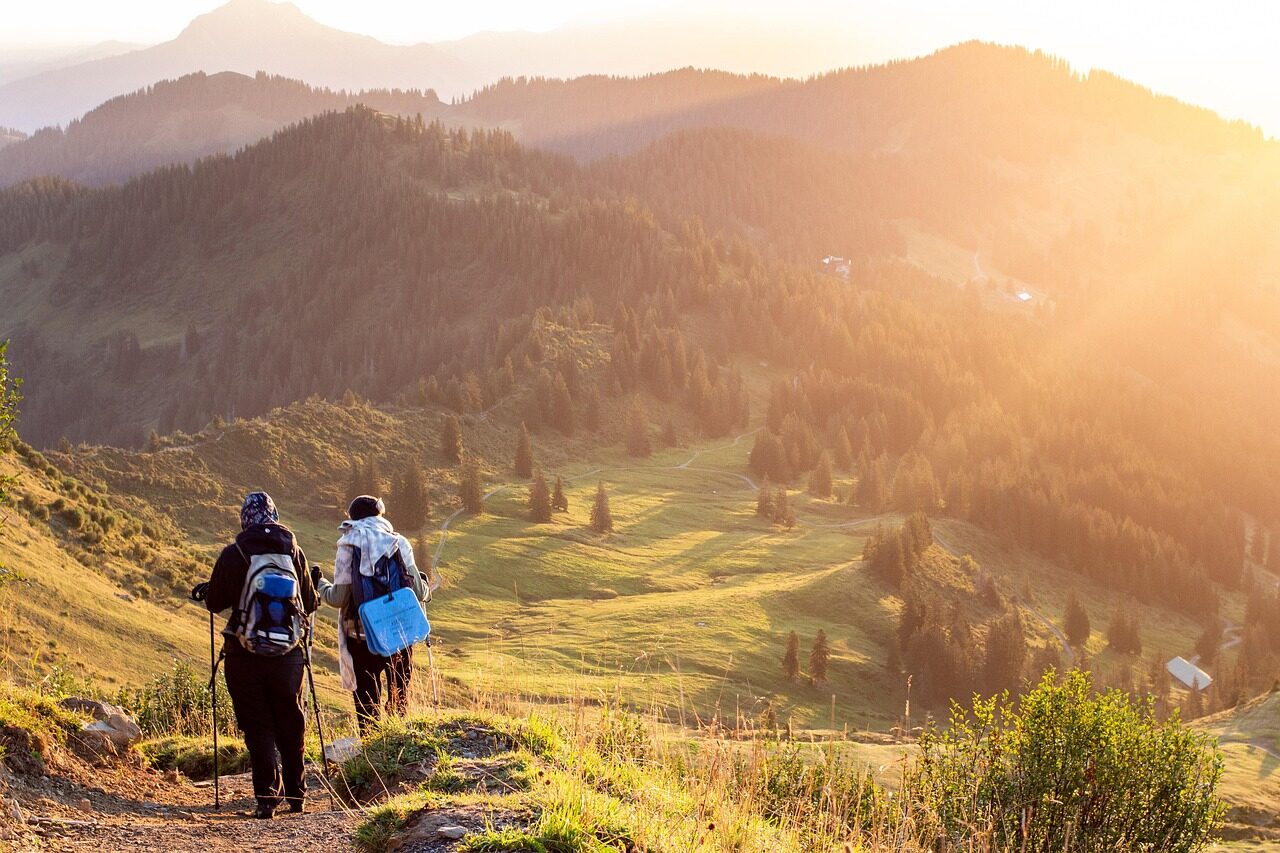
If you’re planning a trip to Great Smoky Mountains National Park and want hikes the whole crew can enjoy, you’re in the right place. The best family-friendly hiking trails in the Smoky Mountains mix short distances, gentle grades, and big payoffs, think waterfalls, boardwalks, and ridge-top views without all-day suffering. Below, you’ll find smart criteria for choosing a route, then curated trail picks for toddlers, school‑age kids, and anyone who wants the wow without the grueling climbs. You’ll also get seasonal tips, wildlife know‑how, and logistics so you can spend less time circling for parking and more time spotting salamanders.
How To Choose A Family-Friendly Trail
Distance And Elevation Gain
For a relaxed day, cap total distance at 1–3 miles for toddlers and 3–5 miles for school‑age kids. Elevation gain matters more than mileage: 200–600 feet over a few miles is usually manageable. If you’re pushing a stroller or carrying a baby, flatter is better.
Trail Surface And Hazards
Trail texture sets the tone. Paved or packed gravel with boardwalk segments is stroller‑friendly and great for wobbly walkers. Roots, rocks, and stream crossings add fun for older kids but slow you down. In the Smokies, expect slick rock and mud near waterfalls, occasional drop‑offs along creek gorges, and wet wooden bridges, coach kids to walk, not run, when surfaces shine.
Amenities, Bathrooms, And Stroller Access
Scan the map for visitor centers (Sugarlands, Oconaluftee, Cades Cove) with restrooms and water. A few trails are ADA accessible and suitable for strollers: most are not. If wheels are non‑negotiable, stick with paved/boardwalk options and bring a baby carrier as a backup.
Drive Time And Parking
Summer and fall weekends are busy. Trailheads like Laurel Falls, Cades Cove, and Clingmans Dome fill early. Build in drive time on curvy roads and plan to arrive before 9 am or later in the afternoon. New parking tag requirements mean you’ll need to sort permits before you pull in.
Top Easy Trails For Little Legs
Sugarlands Valley Nature Trail (0.5 Miles, Paved/Boardwalk, ADA Accessible)
If you’re warming up after a long drive, this flat loop near Sugarlands Visitor Center is a confidence boost. It’s fully paved/boardwalked, stroller‑friendly, and winds through a peaceful floodplain with interpretive signs. Afterward, duck into the visitor center for maps, bathrooms, and exhibits.
Fighting Creek Nature Trail (1.2-Mile Loop Near Sugarlands)
A step up from the Valley Nature Trail, this loop rolls gently through hardwood forest and past historic foundations. You’ll get that real‑trail feeling without committing to big climbs. Parts can be rooty and muddy after rain, little boots recommended.
Elkmont Nature Trail (0.8-Mile Loop Through Old-Growth Hemlocks)
Tucked in the Elkmont area, this short loop feels wild thanks to towering hemlocks and mossy boulders. It’s a great introduction to the Smokies’ biodiversity, with birdsong, fungi, and creek peeks. Combine it with a picnic at nearby Little River for an easy half‑day.
Oconaluftee River Trail (Up To 3 Miles Round Trip, Flat Riverside Path)
Starting at Oconaluftee Visitor Center near Cherokee, this mostly flat dirt path parallels a wide, pretty river. Elk often graze in the adjacent fields at dawn and dusk, keep your distance and your camera ready. The gentle grade makes it perfect for strollers with larger wheels and preschoolers who like to toddle and toss leaves.
Waterfalls And Wow-Factor Hikes For School-Age Kids
Laurel Falls Trail (2.6 Miles Round Trip, Paved But Uneven And Crowded)
Laurel Falls is famous for good reason: a photogenic cascade split by a footbridge. The paved path lulls you into thinking it’s a sidewalk, but it’s uneven, broken in spots, and hugs slopes with drop‑offs, keep hands held near the falls. Parking is tight and patrols are active, so arrive early on weekdays or go off‑peak.
Grotto Falls Via Trillium Gap (2.6 Miles Round Trip, Walk Behind The Falls)
Kids love the payoff here: you can actually walk behind the curtain of water. The trail climbs gently through lush forest with hemlocks and rhododendrons. Expect muddy patches and slick rocks around the falls. On summer mornings, you might see llamas packing supplies for LeConte Lodge, it’s a crowd‑pleaser.
Porters Creek To Fern Branch Falls (4 Miles Round Trip, Historic Sites)
This Greenbrier favorite layers history and scenery. The first mile follows a wide gravel road past stone walls and the John Messer farm site, plenty to explore and read as you go. The path narrows and undulates to a delicate fan waterfall. It’s longer, but the gradual grade and variety keep kids engaged.
Abrams Falls From Cades Cove (5 Miles Round Trip, Moderate With Drop-Offs)
For active families, Abrams Falls delivers a powerful cascade and big creek energy. The trail rolls over ridges with sections of narrow tread and drop‑offs: keep the group tight and watch footing. Do not swim, currents and hydraulics here are notorious. Cades Cove traffic can add time, so start early or choose a quieter weekday.
High Views Without The Hard Climb
Clingmans Dome Trail (1 Mile Round Trip, Steep Paved Path To Tower)
At 6,643 feet, you’re on the roof of the Smokies. The path is short, steep, and paved, ending at a futuristic observation tower with 360‑degree views. Weather flips fast, bring a layer even in July. The access road typically closes in winter, so check seasonal status before you go.
Andrews Bald Via Forney Ridge (3.5 Miles Round Trip, Open Meadow Views)
From the same parking area as Clingmans Dome, this trail trades pavement for roots and rock steps, ending at a high-elevation grassy bald perfect for picnics. On clear days, you’ll get long views toward Fontana Lake. It’s moderate but manageable for school‑age hikers with snacks and breaks.
Newfound Gap Overlooks And Short Connector Walks
If your crew is running on snack fumes, Newfound Gap’s built‑in overlooks offer instant payoff. You can stroll short connectors along the Appalachian Trail for a taste of ridge walking without committing to miles. It’s also a great plan B when clouds sock in higher peaks.
Seasonal And Wildlife Considerations
Best Months For Wildflowers, Waterfalls, And Fall Color
Spring (April–May) bursts with trillium, violets, and dogwood, short nature trails shine for flower spotting. Early summer means full, photogenic waterfalls and comfortable creek temps for toe‑dipping. Peak fall color usually lands mid‑October at mid elevations, shifting earlier up high and later down low. Winter offers open views and fewer crowds, but ice can linger on shady slopes.
Bear Awareness, Elk Viewing, And Safe Distances
You’ll likely see signs of bears, scat, claw marks, turned‑over logs, even if you don’t spot one. Keep 50 yards (150 feet) from bears and elk: never approach for photos. Store all food in your vehicle or sealed in your pack and use a trash‑out mindset. Elk are common around Oconaluftee and Cataloochee: enjoy from the shoulder with kids beside you, not in front.
Weather Swings, Trail Closures, And Road Access
Mountain weather is moody. Afternoon storms pop up in summer: fog and wind dominate the high ridges in spring and fall. Roads like Clingmans Dome Road can close seasonally or temporarily. Check the park’s official Twitter/X or website for real‑time road and trail updates before you load the car.
Planning Logistics And Safety Tips
Parking Tags, Trailhead Timing, And Crowd Management
As of 2023, Great Smoky Mountains National Park requires a parking tag for stops longer than 15 minutes. Buy daily, weekly, or annual tags online, at visitor centers, or automated kiosks, and display it clearly. For popular spots (Laurel Falls, Cades Cove, Clingmans Dome), aim for early mornings or late afternoons. If a lot is full, don’t circle endlessly, pivot to a nearby nature trail and come back later.
What To Pack For Kids: Layers, Snacks, Water, And Footwear
- Lightweight layers (including a warm layer and rain shell), grippy closed‑toe shoes, brimmed hats, and extra socks
- Plenty of water, salty snacks, a small first‑aid kit, sun protection, bug repellent, and a simple sit‑pad or picnic blanket
Navigation, Cell Coverage, Restrooms, And Leave No Trace
Cell service is spotty or nonexistent on many trails. Download offline maps, snap a photo of the trailhead map, and tell someone your plan. Use restrooms at visitor centers before you start: many trailheads are vault‑toilet‑only or have none at all. Teach kids Leave No Trace basics: stay on trail, don’t pick flowers, pack out every crumb, and give wildlife space. Around waterfalls, keep a strict “no climbing wet rocks” rule, slips happen fast.
Conclusion
The best family-friendly hiking trails in the Smoky Mountains prove you don’t need big miles to make big memories. Start with short, scenic paths to build confidence, pick a waterfall or high‑view hike for the wow, and let the season steer your choices. If you plan around parking, pack a few extra snacks, and keep safety simple and consistent, you’ll spend your day doing what you came for, walking in the woods together.
Frequently Asked Questions
What are the best family-friendly hiking trails in the Smoky Mountains for toddlers and beginners?
Top starter picks include Sugarlands Valley Nature Trail (flat, paved/boardwalk, ADA), Elkmont Nature Trail (0.8-mile loop among hemlocks), and the Oconaluftee River Trail (up to 3 miles round trip, riverside and mostly flat). All offer gentle grades, nearby restrooms at visitor centers, and engaging scenery for little legs.
How do I choose a kid-friendly hike in the Smokies?
Aim for 1–3 miles for toddlers and 3–5 for school‑age kids, with 200–600 feet of elevation gain. Prefer paved or packed‑gravel surfaces for strollers; roots and stream crossings suit older kids. Check for restrooms at Sugarlands, Oconaluftee, or Cades Cove, and arrive early to avoid parking crunches.
When is the best time to hike waterfalls and see fall color in the Smoky Mountains with kids?
Spring (April–May) brings wildflowers and comfortable temps for short, family-friendly hiking trails in the Smoky Mountains. Early summer offers full, photogenic waterfalls and pleasant creek play. Peak fall color typically hits mid‑October at mid elevations, earlier up high and later down low. Winter means fewer crowds but potential ice.
Do I need a parking tag or permit for family hikes in Great Smoky Mountains National Park?
There’s no entrance fee, but a parking tag is required for stops over 15 minutes. Buy daily, weekly, or annual tags online, at visitor centers, or kiosks, and display clearly. For popular trailheads like Laurel Falls, Cades Cove, and Clingmans Dome, arrive before 9 a.m. or late afternoon.
Are dogs allowed on family-friendly hiking trails in the Smoky Mountains?
Dogs are not allowed on most Smokies trails. Exceptions include the Gatlinburg Trail and Oconaluftee River Trail, where leashed pets (6 feet max) are permitted. Pets are allowed in campgrounds, picnic areas, and along roads. Plan accordingly—trails like Laurel Falls and Grotto Falls do not allow dogs.
No responses yet