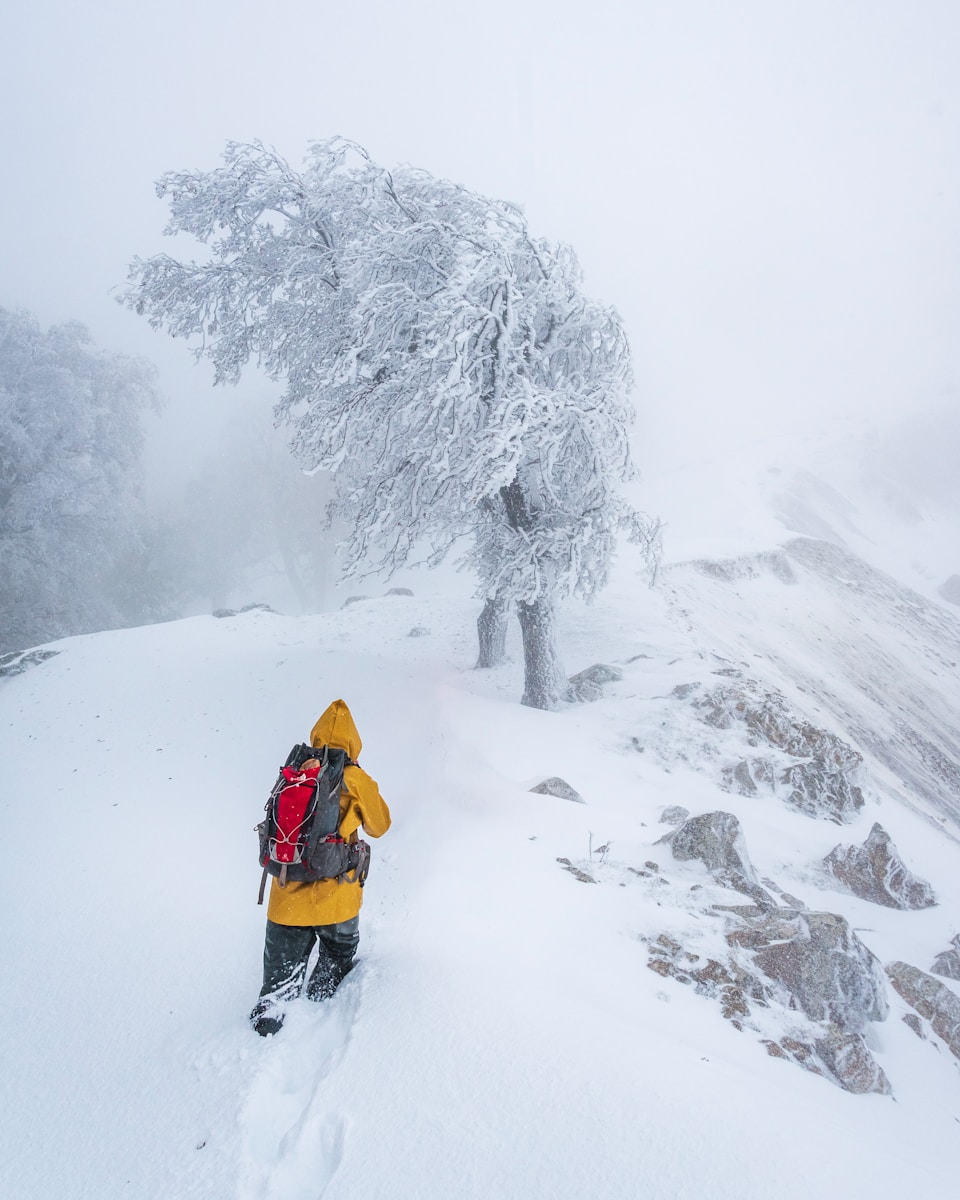
The trail doesn’t care if it’s 110°F in the canyon or -10°F on the ridge. You still have to put one foot in front of the other, safely. Hiking in extreme weather demands more than grit: it takes sharp planning, dialed gear, and field skills you can trust when conditions flip. Whether you’re chasing sunrise in red-rock country or threading a knife-edge ridge above treeline, here’s how to stack the odds in your favor in both desert heat and alpine cold.
Know The Risks And Plan Your Route
Weather Windows And Forecasts
Pick your day, don’t let it pick you. In deserts, the biggest hazards are heat, dehydration, and monsoon storms that turn dry washes into traps. In alpine terrain, think rapid temperature swings, wind, storms, whiteouts, and avalanches.
Check multiple forecast sources 48–72 hours out and again the morning of your hike. For heat, watch high temps, overnight lows (for recovery), humidity, and cloud cover. For cold, check temperature, wind speed (wind chill), recent snowfall, and storm timing. Pay attention to hourly breakdowns and “feels like” values, 20 mph wind can push a 10°F day into dangerous territory quickly.
Look for stable weather windows, not just “sunny” icons. In summer, monsoon cells often build after noon: in winter, short clearings between fronts can slam shut early. If the hourly forecast and radar disagree, assume the worse scenario and adjust.
Route Choice, Bailouts, And Turn-Around Times
Choose routes with options. In the desert, favor trails with canyon shade, north aspects, or reliable water sources and defined exit points. In alpine terrain, prefer ridges with multiple descent gullies, loop options that let you drop below treeline fast, and landmarks that remain visible in low viz.
Set non-negotiable turn-around times based on the day’s crux: before sun-exposure becomes brutal or before wind ramps at the pass. Mark bailouts on your map/GPS and commit to using them. If your pace drops, your margin evaporates: the fastest way to make good decisions is to have them pre-made.
Gear Systems That Work In The Heat And The Cold
Clothing And Layering Strategies
In heat, go with a breathable sun hoodie (UPF 30–50), airy shorts, and a brimmed hat or desert cap with a neck cape. Light colors reflect radiation: looser fits promote convective cooling. Cotton can be okay in arid conditions for “swamp cooling” if you manage water and avoid hypothermia at night.
In alpine cold, use the classic three-layer system: a moisture-wicking base (synthetic or wool), a midlayer for insulation (fleece or active insulation), and a wind/water-resistant shell. Carry a belay puffy sized to throw on during stops. Gloves in layers, liner, insulated, and a shell, plus a warm hat and a buff to protect your face.
Footwear And Traction
Hot sand and slickrock reward light, breathable trail shoes with aggressive rubber. Consider gaiters to keep out grit. Feet swell in heat, so size accordingly and adjust lacing to avoid toe bang.
For alpine routes, waterproof-breathable boots with stiff soles improve edging on firm snow. Add microspikes for packed snow/ice, crampons for steeper or harder surfaces, and snowshoes for unconsolidated powder. Trekking poles with winter baskets save energy and improve balance.
Sun, Wind, And Insulation Essentials
Desert: glacier glasses or high-UV sunglasses, SPF 30–50 mineral sunscreen, lip balm with SPF, and a reflective emergency bivy for shade if you’re stranded. A lightweight umbrella can drop perceived temperature dramatically when shade is scarce.
Alpine: goggles for spindrift and whiteout, a true windproof shell, and enough insulation for a full stop in the coldest expected temps. Wind is a multiplier, once you’re chilled, you burn calories fast to reheat. Protect your heat budget like it’s your last headlamp battery.
Hydration, Nutrition, And Pacing
Water Planning In Desert Terrain
Water rules the desert. Pre-hydrate before you step off, then aim for steady intake rather than big chugs. A common baseline is 0.5–1 liter per hour depending on heat, humidity, and effort, but test your personal sweat rate on training hikes.
Cache water on longer routes (mark GPS, flag discretely), verify sources with recent reports, and carry enough capacity, soft flasks are great, but in true heat a 3L bladder plus a bottle for electrolytes offers flexibility. Treat all natural water: even clear desert springs can carry microbes.
Preventing Dehydration, Heat Illness, And Hyponatremia
You’re balancing fluid, electrolytes, and heat load. Dehydration shows up as headache, dark urine, cramps, and flagging pace. Heat exhaustion brings nausea, dizziness, and clammy skin: heat stroke is a medical emergency, hot dry skin, confusion, collapse.
Use electrolytes regularly (300–600 mg sodium per hour is a reasonable starting range for hot conditions: adjust for your sweat rate and medical needs). Don’t overdo plain water, hyponatremia sneaks up when you drink a lot without salt, leading to nausea, headache, and in severe cases, confusion. In blazing sun, prioritize shade breaks and cooling (more on that below) so you can drink and absorb effectively.
Fueling For Cold-Weather Energy Demands
Cold hikes burn more calories, your body’s stoking the furnace while you push through snow and wind. Aim for frequent, easy-to-digest carbs and fats: bars that don’t freeze, nut butters, tortillas with cheese or salami, gummies in an inner pocket to keep soft. Warm drinks help hydration and morale: use insulated bottles or bottle boots to prevent freezing. Snack every 30–45 minutes so your core temp and energy stay steady.
Field Techniques For Desert Heat
Start Times, Shade, And Cooling Methods
Start pre-dawn and race the sun to the crux. Plan your route so exposed sections hit in the morning, with a siesta window around noon when heat peaks. Any shade is currency: overhangs, canyon bends, your umbrella, even your pack propped to cast a shadow while you rest.
Active cooling works. Douse your hat and sleeves at water sources, use a soaked bandana on your neck, and ventilate clothing. If you feel your pace drifting and your thinking fuzzing, it’s time to slow down, cool down, and reassess. Heat debt collects interest.
Navigation And Terrain Hazards
Deserts distort scale and direction. Carry a calibrated compass and a downloaded map layer: don’t rely on a single app. Avoid hiking in dry washes during monsoon season, storms 20 miles away can send a wall of water. Watch for cryptobiotic soil and fragile vegetation: stay on durable surfaces. Rattlesnakes generally avoid you if you avoid them, look before stepping over logs or ledges and give wildlife space.
Field Techniques For Alpine Cold
Layer Management, Body Heat, And Frostbite Prevention
Move just cool enough to avoid sweating, then add layers the moment you stop. Wet base layers in the cold are misery. Vent zippers on the climb: seal them and don your puffy at breaks. Keep hands warm by rotating glove systems and stashing chemical warmers for emergencies.
Frostbite risk spikes with wind: at -15°F with 20 mph wind, exposed skin can freeze in under 30 minutes: colder and windier cuts that to minutes. Cover skin, swap damp gloves, and keep your boots dry. If a partner reports numbness or waxy, pale skin on fingers, nose, or cheeks, address it now, rewarm gradually, shield from wind, and don’t refreeze tissue.
Snow Travel, Avalanche Awareness, And Whiteout Navigation
Read the avalanche forecast before you go and carry beacon, shovel, and probe when you’re in avalanche terrain, then practice until use is automatic. Choose routes that minimize overhead hazard and exposure time on suspect slopes. Cold, clear mornings can still feature faceted weak layers under a crust: storm days stack new loads fast.
For navigation, whiteouts erase the world. Preload waypoints for key turns, use bearings between terrain anchors, and pace-count or time intervals to avoid drifting. On firm snow, kick steps or use microspikes/crampons: on steeper ground, adopt the rest-step to conserve energy and keep your breathing smooth.
Emergency Readiness And Decision-Making
First Aid For Heat And Cold Injuries
Heat exhaustion: move to shade, elevate legs, cool with water on skin and airflow, and rehydrate with electrolytes. If symptoms worsen or mental status changes, it’s beyond field care.
Heat stroke: this is a medical emergency. Rapidly cool core temperature, soak clothing, apply ice to neck/groin/armpits if available, and activate SOS.
Hypothermia: replace wet clothes, insulate aggressively (including head and neck), add calories and warm drinks if the person is alert, and shield from wind. Gentle handling matters. For frostbite, rewarm in body-temperature water if you can keep it from refreezing: otherwise, insulate and evacuate.
Kits, Communication, And SOS Protocols
Carry a heat-and-cold-aware kit: assorted electrolytes, blister care, a light bivy, warm hat and gloves even on “mild” days, sun protection, a compact shelter (tarp or emergency blanket), and fire-starting redundancy. In winter, add a spare pair of gloves and socks, chemical warmers, and a headlamp with fresh batteries.
Tell a trusted contact your plan and return time. In remote zones, a satellite messenger or PLB turns bad luck into survivable outcomes. If you need to press SOS, include your situation, injuries, shelter status, and how long your supplies can last. Clear, early communication beats heroics every time.
Conclusion
Extreme environments reward disciplined hikers. You plan a clean weather window, pick routes with exits, carry systems that breathe in heat and insulate in cold, and move with intention, hydrating, fueling, and adjusting layers before trouble snowballs. Do that, and hiking in desert heat and alpine cold stops feeling risky and starts feeling like what it is: a skillset you can build, trip after trip, until harsh conditions are simply another parameter you manage well.
Frequently Asked Questions
How do I plan a safe weather window for hiking in extreme weather?
Check multiple forecasts 48–72 hours out and again the morning of. For desert heat, watch highs, overnight lows, humidity, and cloud cover; for alpine cold, monitor temp, wind (wind chill), recent snowfall, and timing. Favor stable windows, compare hourly and radar, and default to the worst-case scenario.
How should I layer for alpine cold to avoid sweating and frostbite?
Use a wicking base, insulating midlayer, and wind/water-resistant shell. Hike just cool enough to prevent sweat, then add layers immediately at stops. Carry a warm belay puffy, layer gloves (liner/insulated/shell), protect face with a buff or mask, and watch wind exposure to prevent frostbite on skin and digits.
What’s an effective hydration and electrolyte plan for desert heat hikes?
Pre-hydrate, then sip steadily—about 0.5–1 liter per hour depending on heat and effort. Use electrolytes regularly, roughly 300–600 mg sodium per hour, adjusting to your sweat rate and medical needs. Avoid overdoing plain water to reduce hyponatremia risk, and seek shade and active cooling to aid absorption.
What bailouts and turn-around times should I set for desert and alpine routes?
Choose routes with shade, water, and defined exits in deserts; and ridges with descent gullies or loops below treeline in alpine terrain. Set non-negotiable turn-around times before peak sun or rising pass winds. Pre-mark bailouts on map/GPS and commit if pace drops or weather deteriorates.
How can I prevent altitude sickness on alpine hikes?
Ascend gradually, sleep no more than 1,000–1,500 feet higher per night after 8,000 feet, hydrate, fuel well, and avoid overexertion on day one. Recognize AMS signs—headache, nausea, dizziness—and descend if symptoms worsen. Consider acetazolamide prophylaxis after consulting a clinician, and avoid alcohol/sedatives during acclimatization.
How do I keep water from freezing and electronics working when hiking in extreme weather?
Use insulated bottles or boots, carry a hot drink, and store bottles upside down so ice forms at the bottom. Stash water and batteries near your body, add a sock or foam sleeve, and use chemical warmers if needed. Keep devices warm, minimize screen time, and carry a fresh-battery headlamp.
No responses yet