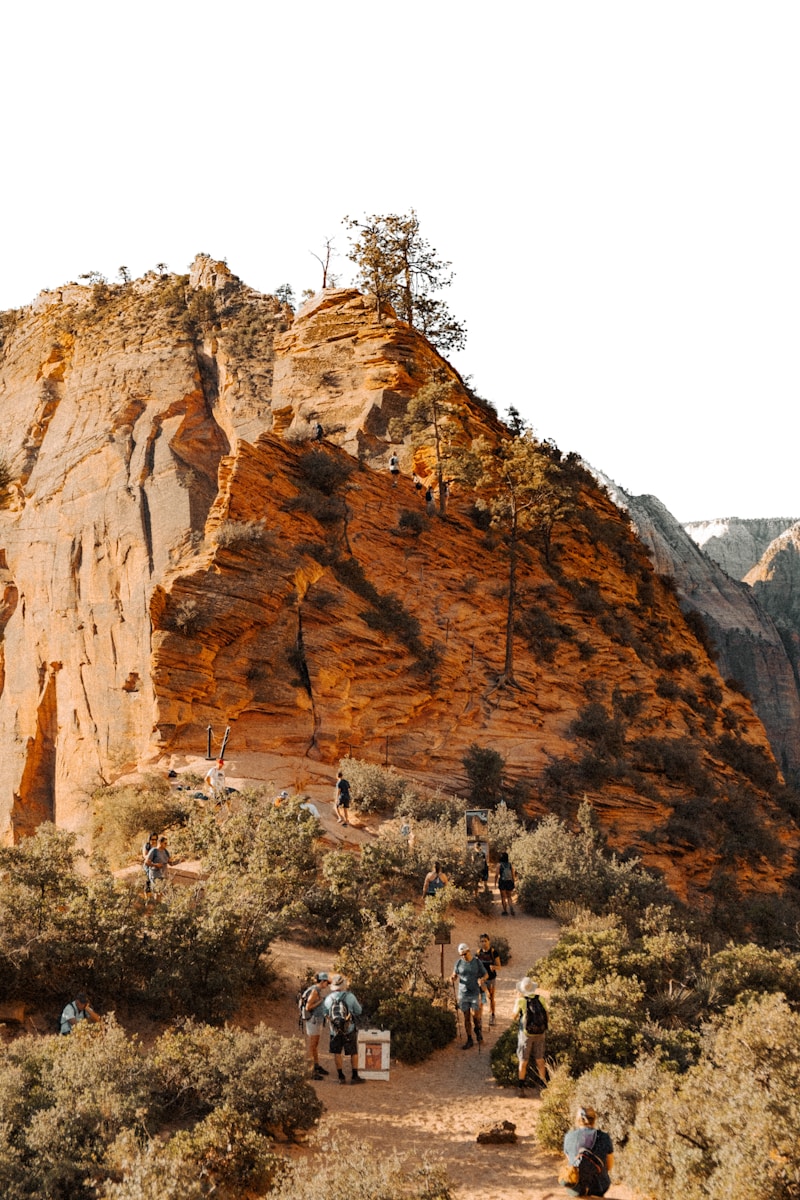
Two of the most iconic hikes in the Southwest live in one canyon. If you’re exploring Zion National Park, learning how to hike The Narrows and Angels Landing the right way, permits, timing, gear, safety, turns a bucket-list idea into a smooth, unforgettable day out. Below, you’ll find exactly what to expect on both trails, how to plan around crowds and weather, and smart alternatives if conditions or comfort levels change.
Essential Planning: Permits, Seasons, and Shuttles
Permits at a Glance
• Angels Landing: You need a permit to go beyond Scout Lookout onto the chains section. The NPS runs a seasonal lottery plus a day-before lottery. If you don’t win, you can still hike to Scout Lookout without a permit.
• The Narrows: No permit for the classic bottom-up wade from the Temple of Sinawava to Big Springs. A permit is required for the top-down through-hike from Chamberlain’s Ranch (day or overnight), and for any overnight use in the canyon.
Best Times to Hike
Spring and fall are your sweet spots: cooler temperatures, often lower crowds than peak summer, and more stable conditions. Summer brings heat and afternoon storms (flash-flood risk), while winter can be spectacular but icy and cold, especially in the river. The Narrows often closes during peak spring runoff or if cyanobacteria advisories are in effect. Aim for early starts year-round: in summer, they help you beat heat and crowds, and in winter, they maximize daylight.
Shuttles, Parking, and Trailhead Access
When the Zion Canyon Shuttle is running (typically spring through late fall), private cars aren’t allowed on Zion Canyon Scenic Drive. Board in Springdale or at the Zion Canyon Visitor Center. For The Narrows, ride to the final stop: Temple of Sinawava. For Angels Landing, get off at The Grotto. Parking at the Visitor Center fills early: plan to arrive before sunrise on busy days. In winter, when the shuttle isn’t operating, you can drive up-canyon, roads and trail surfaces may be icy.
Weather, Water Levels, and Closures
Check the forecast and current conditions the day before and the morning of your hike. The Narrows closes when flows are high (commonly around 150+ cfs), after heavy rain, or due to water-quality advisories. Cold water is the norm outside midsummer: hypothermia is real. Angels Landing can be closed or strongly discouraged in snow/ice or high winds. Always confirm status on the NPS site or at the Visitor Center.
What to Pack and Wear
The Narrows Essentials
You’ll be hiking in a river over slick, uneven stones. Outfitters in Springdale rent seasonally appropriate Narrows gear if you don’t want to buy. Consider:
- Canyoneering shoes with good traction, neoprene socks in cold seasons, and a sturdy hiking pole (or two) for balance
- Quick-dry layers (avoid cotton), a lightweight rain shell, and a dry bag for phone, keys, and extra layers
- Snacks you can eat while standing in water, 2+ liters of water, and a small first-aid kit with blister care
Angels Landing Essentials
Wear grippy, broken-in hiking shoes, not sandals. Thin gloves can help on the chains, especially in colder months. Bring 2–3 liters of water (more in summer), electrolytes, sun protection (hat, SPF, sunglasses), and a warm layer for wind at the top. Trekking poles are useful on the West Rim Trail but should be stowed on the chains section.
Fitness, Training, and Safety Prep
Steep grades, exposure, and unstable footing demand balance, leg strength, and confidence. A few weeks out, add stair intervals, calf/hip work, and light downhill jogs or hikes to toughen quads. Practice with the pack weight you’ll carry. Set a conservative turnaround time for both hikes and stick to it, fatigue and diminishing light are what turn easy days into epics.
Hiking The Narrows: Bottom-Up Guide
Route Overview and Key Landmarks
From the Temple of Sinawava, walk the paved Riverside Walk for about a mile to where the trail ends and the river hiking begins. Early on you’ll pass Mystery Falls, a delicate seep on the left wall. Keep wading upstream to the Orderville Canyon confluence, the start of the famous Wall Street section, where the canyon narrows and the walls soar. Without a permit, your legal turnaround is Big Springs, a lush cascade about 4.5–5 miles upstream from the trailhead.
River Conditions and Turnaround Points
Expect constant rock-hopping and wading, with water depth swinging from shin to waist depending on flow and recent storms. In normal flows, strong hikers reach the Orderville confluence in 60–90 minutes and Big Springs in 3–4 hours one way. If the water is pushing you off balance, temperatures feel numbing, or you’re falling behind your turnaround time, turn around. Kids and shorter hikers will meet deeper sections sooner: move cautiously and communicate often.
Top-Down Through-Hike Option
The full Narrows through-hike is roughly 16 miles from Chamberlain’s Ranch to the Temple of Sinawava. It requires a permit, advance logistics, and a pre-arranged shuttle. Many do it as a very long day (10–14 hours) or as an overnight, camping in designated sites. Expect colder water up-canyon, logjams after storms, and sections of cobbles that punish tired ankles. If flows spike or storms are forecast anywhere in the watershed, postpone.
Safety: Flash Floods, Hypothermia, and Etiquette
Flash floods can occur even when skies overhead are blue, storms upstream matter. If the water turns muddy, debris starts moving, or the current suddenly strengthens, retreat immediately to higher ground. Cold water saps energy: dress to stay warm when you’re standing still, not just when you’re moving. Give uphill (upstream) hikers room, they’re fighting the current. Step carefully, test each foot placement, and don’t jump from boulders. Pack out all trash: for human waste, follow NPS guidance and carry out solids with a waste bag.
Hiking Angels Landing: Step-by-Step Guide
West Rim Trail to Scout Lookout
Start at The Grotto shuttle stop. Cross the footbridge and follow the West Rim Trail through a steady grade into Refrigerator Canyon. Walter’s Wiggles, 21 tight switchbacks, deliver you to Scout Lookout. If you don’t have a permit for the chains or conditions are sketchy, Scout is a great endpoint with sweeping views into Zion Canyon.
Chains Section Tips and Passing Etiquette
If you have a permit and conditions are dry, continue onto the fin. Keep three points of contact, face the rock on steeper steps, and move deliberately. When you need to pass or be passed, do it at wider nodes, don’t rush the exposure. Stow poles, secure loose items, and keep your backpack compact so you’re not bumping others off balance.
Managing Exposure, Weather, and Timing
Wind and wet rock turn the chains section from thrilling to sketchy. Avoid it if there’s snow, ice, or strong gusts: mornings are often calmer. Summer heat bakes the upper slabs, start at first light and plan to be descending by late morning. Set a hard turnaround time at Scout Lookout if crowds are clogging the route. Remember, getting stuck in a conga line near the top can add an hour you didn’t budget.
If You Stop at Scout Lookout
Stopping at Scout is a perfectly valid choice. For more mileage without the exposure, continue a short way up the West Rim beyond Scout for panoramic ledges and fewer people. On different days, consider Observation Point via the East Mesa trailhead outside the main canyon, stunning, airy, and no chains.
Beat the Crowds and Choose Smart Alternatives
Timing Strategies and Photography Tips
Be on the first shuttle or drive in before sunrise in winter. For The Narrows, getting ahead of the first wave means clearer water and easier navigation. Angels Landing photographs best in early morning light with soft side-illumination: late afternoon can be gorgeous but windier. Use a polarizer for canyon glare and reflections in The Narrows: watch for blown highlights between dark walls and bright sky. Shoulder seasons and weekdays help, but holidays still pack out.
Lower-Exposure Alternatives with Great Views
If conditions, permits, or comfort levels shut down your Plan A, Zion still delivers:
- Canyon Overlook (short, family-friendly: sunrise is superb), Watchman Trail from the Visitor Center, and Pa’rus Trail for wheelchair-accessible river vistas
- West Rim to Cabin Spring for big views without chains: Northgate Peaks in Kolob for quiet lava flows and slickrock: Observation Point via East Mesa for the best perch in the park
- For a Narrows-lite experience, walk the Riverside Walk to the first wade and turn around, or head to Kanarra Falls (outside the park, permit required) for slot-canyon flavor without committing to river miles
Where to Stay and Sample Itineraries
Lodging and Camping Near the Park
In-park, Zion Lodge is the only lodging option and books up fast. Watchman and South Campgrounds sit near the Visitor Center: reservations are essential in season. Lava Point Campground (Kolob Terrace) is primitive and typically summer-only. In Springdale, you’ll find hotels and rentals within walking distance of shuttle stops. For better rates, look to Virgin, La Verkin, or Hurricane: on the east side, cabins and small lodges get you quick access to the Zion–Mt. Carmel area.
One- and Two-Day Itineraries
One day, pick one headliner and do it well. Example: early shuttle to The Narrows, wade to Wall Street and back by early afternoon, then sunset at Canyon Overlook. Or sunrise start for Angels Landing (permit days), lunch at the Lodge lawn, and a mellow Watchman Trail loop before dinner.
Two days, split the big hikes: Day 1 Angels Landing, afternoon scenic stops (Court of the Patriarchs, Big Bend), and a Pa’rus sunset bike ride if you’ve got wheels. Day 2 The Narrows bottom-up to Orderville or Big Springs depending on conditions. If flows are high, swap in West Rim to Cabin Spring or East Mesa to Observation Point. Build in a weather buffer, switching days at the last minute is common and smart.
Conclusion
Exploring Zion National Park, especially learning how to hike The Narrows and Angels Landing, comes down to timing, permits, and honest read-the-day decisions. Start early, respect weather and water levels, and carry the right gear for slick rock and cold water. If crowds or conditions don’t line up, pivot to equally rewarding alternatives. That’s the Zion secret: the big names are incredible, but the whole canyon is stacked with Plan B views that still feel like a once-in-a-lifetime trip.
Frequently Asked Questions
What permits do I need to hike The Narrows and Angels Landing?
Angels Landing requires a permit to go beyond Scout Lookout onto the chains; apply via the seasonal or day‑before NPS lottery. You can hike to Scout Lookout without a permit. The Narrows bottom‑up needs no permit, but the top‑down through‑hike and any overnight in the canyon do.
When is the best time to hike The Narrows and Angels Landing?
Spring and fall offer cooler temps, moderate crowds, and more stable conditions. Summer brings heat and afternoon storms, raising flash‑flood risk. Winter can be beautiful but icy and very cold in the river. Start early year‑round and always check forecasts, flows, and potential closures before you go.
How do shuttles and trailhead access work for these Zion hikes?
When the Zion Canyon Shuttle runs (typically spring–late fall), private cars aren’t allowed on the Scenic Drive. Board in Springdale or at the Visitor Center. For The Narrows, ride to Temple of Sinawava; for Angels Landing, get off at The Grotto. Arrive before sunrise—parking fills early on busy days.
Can I hike The Narrows and Angels Landing in one day?
It’s possible but demanding. You’ll need an Angels Landing permit and a pre‑dawn start. Do Angels Landing first for cooler temps and lighter crowds, then a shorter Narrows outing to Wall Street. Factor shuttle schedules, water flows, and daylight. Most visitors get more enjoyment by dedicating one big hike per day.
Do I need a wetsuit or drysuit for The Narrows in winter?
In cold seasons, water is frigid and hypothermia is a real risk. Rent season‑appropriate gear in Springdale: canyoneering shoes, neoprene socks, and often dry pants or a drysuit in mid‑winter. Dress in quick‑dry layers, carry a dry bag, and turn around if you feel numb or unsteady.
No responses yet