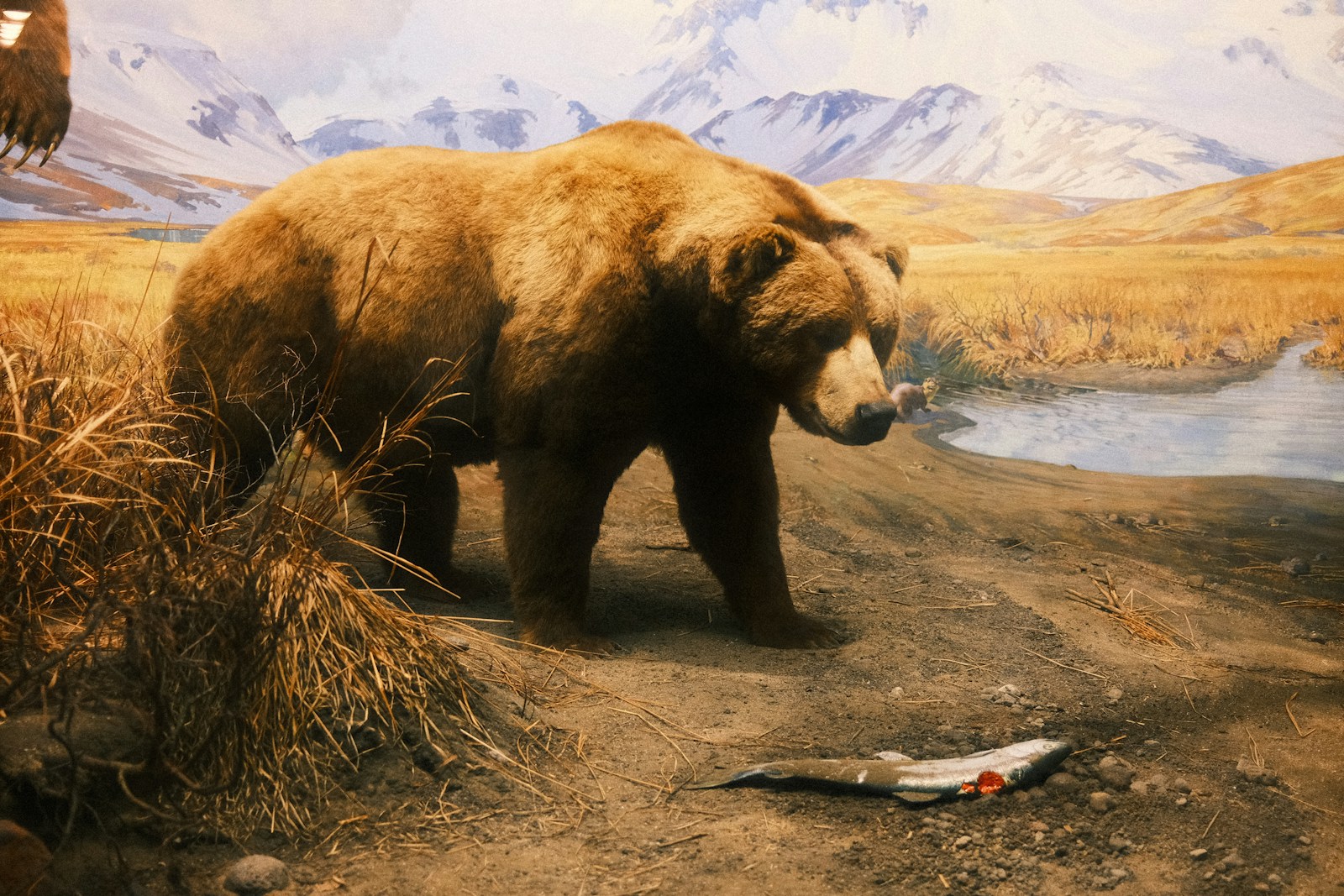
Grizzly country is wild, beautiful, and unforgiving if you get complacent. The goal isn’t to hike scared: it’s to hike prepared. This Bear Safety 101 guide gives you essential tips for hiking in grizzly country so you can read the landscape, plan intelligently, carry the right gear, and respond decisively if you meet a bear. You’ll learn what behavior means what, how to minimize surprises, and exactly what to do, from a distant sighting to a close-range charge. Let’s stack the odds in your favor.
Understand Grizzly Behavior And Habitat
Defensive Versus Predatory Behavior
Grizzlies are generally defensive, not out hunting hikers. Most incidents happen when a bear is surprised at close range, is protecting cubs, or is defending a carcass. Defensive behavior looks like huffing, jaw-popping, swatting the ground, or bluff charging. The bear’s body is often low and ears back. Your job: de-escalate.
Predatory behavior is rare with grizzlies but serious. It’s more likely when a bear is following you quietly, circling, approaching without bluster, or showing intent even though your attempts to appear large and loud. Ears may be forward, posture tall, movement deliberate. That’s a very different playbook (you’ll fight back if contact occurs).
Reading Signs Of Bear Presence
Learn to scan for fresh sign. Tracks with a wide heel pad and uncurved claw marks typically indicate a grizzly. Look for scat with visible hair, berries, or bone fragments: fresher scat is moist and glossy. Torn logs, ripped earth, day beds, and dug-up slopes signal feeding areas. Ravens, magpies, and a sudden odor can point to an animal carcass, one of the highest-risk places you can stumble into. If you suspect a carcass, leave immediately the way you came.
Seasonal Activity And High-Risk Areas
In spring, grizzlies feed low and sunny, south-facing slopes, new-growth meadows, and river corridors. Late summer through fall, they’re hyperphagic (calorie-hoovering) and concentrated around berry patches and salmon streams where applicable. Anytime you’re in thick brush with limited sightlines, noisy creeks, or winding game trails, your odds of a surprise encounter go up. Adjust your pace, voice, and route to maintain visibility.
Plan And Prepare The Right Way
Research Routes, Recent Sightings, And Regulations
Before you lace up, check recent bear activity reports from land managers, guide services, or trail forums. Some areas post seasonal closures for carcass sites or denning zones: others require canisters or prohibit dogs. Topo maps and satellite images help you identify choke points like dense willow bottoms where visibility is poor.
Group Size, Communication, And Timing
Hike in a group when possible: groups of three or more are significantly less likely to be attacked. Start early to avoid hiking at dawn and dusk, when bears are most active. Keep your party tight, shouting back and forth across a half-mile doesn’t count. If you spread out, assign roles: lead sets pace and noise: tail calls out blind corners and terrain changes.
Share Your Trip Plan And Build A Margin Of Safety
Leave a detailed plan with a reliable contact: route, bail-out options, check-in time, and vehicle info. Build buffer into everything, extra daylight, extra calories, extra warm layers, so you never have to sprint through brush or cut corners at camp because you’re racing darkness. Calm hikers make better decisions.
Carry The Right Gear And Use It Correctly
Bear Spray: Selection, Carry, And Practice
Choose an EPA-registered bear spray with 1–2% capsaicin and a minimum 7–8 second discharge time. Holster it on your chest or hip, never buried in your pack. Practice your draw (unloaded or with an inert trainer) until it’s muscle memory. Replace units before the expiration date and after any deployment.
How To Deploy Bear Spray Under Stress
In a real encounter, you won’t have time to read instructions. Rehearse a simple sequence:
- Pull the safety tab with your thumb, arm extended slightly downward, and brace the can with your non-dominant hand.
- Aim low and create a horizontal fog barrier between you and the bear: adjust with wind.
- Fire short bursts at 30–60 feet as the bear approaches: continue until the bear veers or stops. Be ready to move sideways out of the cloud you created.
Food Storage And Odor Control Essentials
Odors draw bears. Use approved canisters where required or a certified bear-resistant bag properly hung 12–15 feet up and 6 feet out from the trunk when trees allow. In treeless zones, use hard-sided canisters or designated food-storage boxes. Double-bag trash and pack out used hygiene items. Cook and handle food with a dedicated “kitchen” kit so smells don’t migrate to your sleeping gear. Unscented sunscreen and bug dope help, too.
Smart On-Trail Habits To Avoid Surprises
Make Noise Strategically And Manage Blind Spots
Constant yelling is overkill on open ridges, but in dense brush, along loud creeks, and at trail bends, speak up. Use your normal voice, throw in a “hey bear,” and clap before blind corners. Slow down where visibility shrinks. If you can’t see 100 feet ahead, assume a bear can’t see you either.
Use Wind, Visibility, And Terrain To Your Advantage
Wind carries scent. If it’s at your back, understand you’re broadcasting your presence, and food smells, downtrail. Whenever possible, choose routes with long sightlines: step onto a rock, pause on a rise, and scan. Avoid pushing through choke points if there’s an easier detour around brushy creek bottoms or dense berry thickets.
Guidelines For Dogs And Hiking With Kids
Leash dogs in grizzly country. Unleashed dogs often run back to you with a startled bear in tow, worst case scenario. Teach kids the basics: stay close, don’t run if you see a bear, hands off dead animals, and keep snacks sealed. Give them a simple job, calling out corners or spotting tracks, to keep them engaged and alert.
Camp Like A Pro In Bear Country
Cook–Sleep Separation And Site Selection
Cook and eat at least 200 feet from your sleeping area and 200 feet from where you store food. Picture a triangle: sleep zone, kitchen, food cache, three separate points. Pick sites with good visibility and airflow, not tucked into berry bushes or near game trails. Avoid camping on obvious animal travel corridors.
Storing Food And Smellables Safely
Everything with a scent, food, dishes, trash, toothpaste, sunscreen, fuel, dog food, goes into your approved storage. Don’t stash snacks in your sleeping bag or tent pockets. If the area provides bear boxes, use them correctly and fully latch them. In winter or shoulder seasons, remember that bears can be active whenever food is available: don’t get sloppy just because it’s cold.
Keep A Clean Camp And Break Down Properly
Wipe cookware thoroughly, strain gray water and pack out the bits, and scatter the strained water away from camp. Police the area for micro-trash before bed. At dawn, break down your kitchen first, then retrieve food, then pack the tent. That routine keeps you from sipping coffee next to an unlocked food bag.
What To Do During An Encounter
If You Spot A Distant Bear
Stop and assess. If the bear hasn’t noticed you, detour widely or retreat. If it has, stand your ground, speak calmly, and back away slowly while keeping it in view. Give it room to move off. Never approach for a photo, telephoto lenses exist for a reason.
Surprise Encounters At Close Range
If you round a corner and you’re suddenly 30 feet from a grizzly, don’t run. Running can trigger a chase response. Keep your voice low, show your hands, and back away diagonally. If the bear huffs, snaps its jaws, or sways, that’s defensive, prepare your spray. If you’re with a group, stand shoulder-to-shoulder to look larger and prevent anyone from bolting.
If A Bear Charges: Bluff Versus Real
Many charges are bluffs meant to push you away. The bear rushes, stops short, slaps the ground, snorts. Hold your ground and deploy bear spray when it’s within range, generally 30–60 feet. A determined, silent, and direct charge that doesn’t check up is more serious. Aim low, create a wall of spray, and be ready to adjust for wind. Most bears veer off once they hit the cloud.
If Contact Occurs: Play Dead Versus Fight Back
If a grizzly makes contact in a defensive scenario (surprised bear, cubs nearby, carcass defense), drop to the ground on your stomach, lace your fingers behind your neck, and spread your legs to make rolling you harder. Protect your head and remain still. When the bear leaves, wait, it may watch from cover. Quietly leave the area when it’s safe.
If you suspect predatory intent (the bear stalked you, followed you, or attacked at night in camp), fight back with everything you have: spray if you can, then rocks, trekking poles, fists. Target the face and nose. Predatory attacks are rare, but passivity isn’t the answer in that scenario.
Conclusion
Grizzly country demands respect, not fear. When you understand behavior, plan your route, carry and practice with bear spray, and move through the landscape thoughtfully, you slash the odds of a bad encounter. The payoff is huge: you get the same wild places, but with confidence and a clear script if a bear shows up. Pack your judgment along with your gear, and enjoy the hike.
Bear Safety FAQs
What’s the difference between defensive and predatory bear behavior, and how should I respond?
Defensive grizzlies huff, jaw-pop, swat, or bluff charge—often low posture, ears back. De-escalate: speak calmly, back away slowly, prepare bear spray. Predatory behavior is rare but serious—quiet following, circling, ears forward, deliberate approach. If contact occurs in a predatory scenario, fight back hard, targeting the face and nose.
How do I deploy bear spray effectively in grizzly country?
Carry EPA-registered spray on your chest or hip. At 30–60 feet, pull the safety, extend your arm slightly downward, and create a low, horizontal fog barrier. Fire short bursts, adjust for wind, and keep spraying until the bear veers. Step sideways to avoid your own cloud and be ready to repeat.
How should I store food and manage odors while camping in grizzly country?
Use approved bear canisters or certified bags hung 12–15 feet high and 6 feet from the trunk. Separate cook, sleep, and food-storage areas by at least 200 feet. Double-bag trash, pack out hygiene items, and keep all smellables secured. Cook with a dedicated kit to prevent scent transfer to sleeping gear.
What group size, timing, and on-trail habits improve bear safety on hikes?
Hike in groups of three or more, start early, and avoid dawn/dusk when bears are active. Stay tight together, talk normally, and clap at blind corners. Slow down in dense brush or along loud creeks, use terrain for visibility, and detour around choke points like berry thickets and willow bottoms.
Do bear bells work, or is talking better for bear safety?
Bear bells provide faint, constant noise that’s often lost in wind or water. Human voices carry farther and are more recognizable to bears. For better bear safety, talk regularly, clap before blind corners, and sing in dense cover. Pair noise with good visibility and readiness to deploy bear spray.
Is bear spray more effective than a firearm for self-defense in grizzly country?
Studies and field data suggest bear spray is highly effective at stopping charges and reducing injury, especially for typical hikers under stress. Firearms require expert proficiency, precise shot placement, and can escalate risk at close range. Know local laws, but for most hikers, accessible, practiced bear spray is the safer choice.
No responses yet