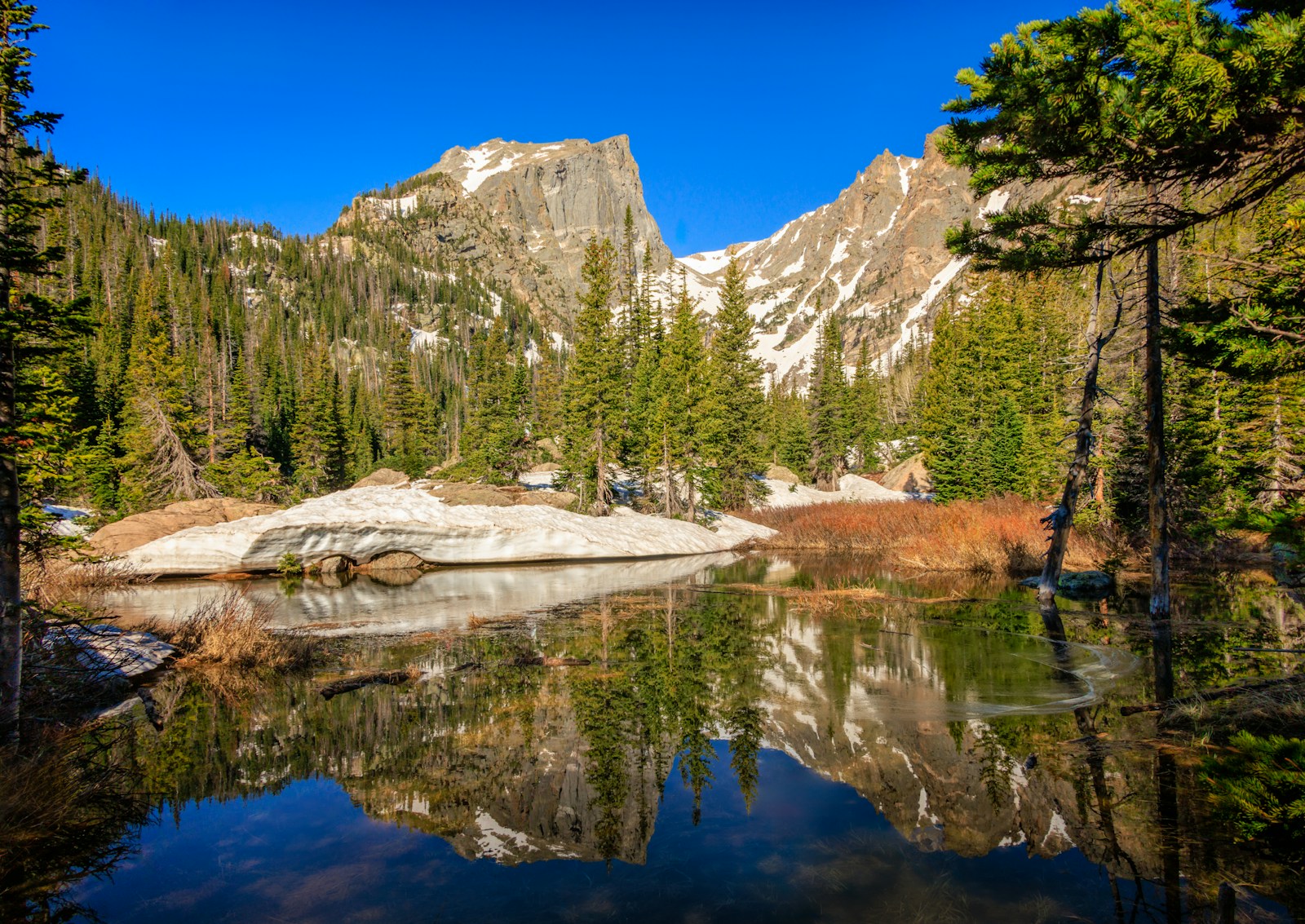
Planning your park year around the seasons is the secret to crowd-free overlooks, better wildlife sightings, and fewer “roads closed” surprises. This seasonal guide to the 15 best national parks in the US to visit in 2026 shows you when each park shines, so you can book the right dates, hit the right trails, and actually enjoy the views you came for.
How To Plan Your 2026 National Park Year
A great national park trip lives or dies by timing. In 2026, demand will still be high for marquee parks, and some may keep or tweak timed-entry or day-use reservations. Build flexibility into your plan and watch official park alerts as your dates approach.
A few smart moves:
- Reserve early: campsites, in-park lodges, shuttles, and popular tours (think cave tours, ranger boats, and permits) often open 6–12 months ahead and sell out fast.
- Check access: snowpack, road construction, fire season, and monsoons can shift openings by weeks. Always confirm seasonal closures.
- Go shoulder: plan arrivals midweek and travel near the shoulder of peak months for thinner crowds and cheaper stays.
- Pack for swings: deserts get cold at night, mountains swing 30°F in a day, and coastal parks are damp even in summer.
For safety, learn basic Leave No Trace, carry paper maps in backcountry areas with spotty cell service, and watch wildlife from a safe distance. Now, let’s time your year to the sweet spots.
Best Parks To Visit In Spring (March–May)
Great Smoky Mountains National Park
Wildflowers steal the show from late March through April, carpeting valleys and cove forests. Cooler temps make Alum Cave and Chimney Tops more pleasant, and wildlife is active at dawn in Cades Cove. Arrive early on weekends, and consider the Roaring Fork Motor Nature Trail after it opens, where waterfalls run strong from snowmelt rains.
Joshua Tree National Park
Spring takes the edge off desert heat, and if winter rains cooperated, you’ll spot blooms along the Pinto Basin and near Cottonwood. Climb among the jumbo boulders in Hidden Valley, stargaze under dark skies, and start hikes like Ryan Mountain at sunrise. Bring layers, gusty winds are common, and watch for limited parking at popular pullouts.
Everglades National Park
Dry season lasts into April, which means fewer mosquitoes, better wildlife density, and clear paddling. Do the Shark Valley Tram or bike to see gators, wading birds, and maybe a bobcat at dawn. Book a Ten Thousand Islands boat tour in Flamingo, and if water levels allow, paddle the Nine Mile Pond canoe trail while the air is still pleasantly mild.
Saguaro National Park
By late March, desert wildflowers pop and saguaro buds swell. Drive the Cactus Forest Loop (East District) for panoramas, then hike Valley View or Wasson Peak (West) for sunset. Start early, May can spike into the 90s. Keep water handy, wear sun protection, and scan slopes for blooming hedgehog and prickly pear near the trail edges.
Best Parks To Visit In Summer (June–August)
Yellowstone National Park
Long days and open roads make summer prime for geysers and wildlife. Beat crowds by hitting Old Faithful and Grand Prismatic early, then roam the quieter Lamar Valley by evening for bison, pronghorn, and maybe wolves. Expect road construction windows, check daily updates, and carry a picnic so you can pivot when a bear jam stalls traffic.
Glacier National Park
When Going-to-the-Sun Road is fully open, often late June or early July, you get alpine access without a massive climb. Hike Hidden Lake Overlook for goat sightings or tackle Highline if snowfields have melted back. Afternoon storms roll in fast: pack rain layers and microspikes if early-season snow lingers. Shuttle seats and vehicle reservations may be required.
Acadia National Park
Coastal breezes, granite summits, and peak blueberries, summer is Acadia at its classic best. Beat sunrise crowds on Cadillac by hiking Gorham Mountain or the Beehive (ladders/exposure) instead. Explore tide pools at Ship Harbor at low tide and bike the car-free carriage roads. Book Bar Harbor stays early and ride the Island Explorer bus to skip parking hassles.
Olympic National Park
You get three parks in one: Pacific beaches, mossy rainforest, and high country. Time a low tide for sea-star hunting at Rialto’s Hole-in-the-Wall, wander the Hoh Rain Forest’s Hall of Mosses, then finish with sunset at Hurricane Ridge. Mosquitoes can be fierce near lakes: bring repellent. Wildfires can affect air quality: watch regional forecasts.
Best Parks To Visit In Fall (September–November)
Shenandoah National Park
Skyline Drive glows from late September into late October, with peak color sliding south by elevation. Hike Stony Man or Hawksbill for swift payoffs, and budget extra time for overlooks, traffic slows on peak weekends. Crisp mornings favor wildlife viewing: keep distance from black bears fattening up on acorns along quiet hollows.
Rocky Mountain National Park
Aspens go gold in mid- to late September, and elk rut calls echo through Moraine Park. Start high-elevation trails early to dodge afternoon winds and the season’s first dustings. Trail Ridge Road can close temporarily with early snows, have a backup plan on the east side, like Gem Lake or a stroll around Sprague Lake.
Zion National Park
Summer heat fades, slot canyons dry out, and cottonwoods turn yellow by the Virgin River. Use the park shuttle for Zion Canyon and aim for early starts on Angels Landing (permit required) or the West Rim. If The Narrows is safe to hike, cooler air means fewer crowds. Explore Kolob Canyons for big views without the busyness.
Yosemite National Park
After Labor Day, crowds thin and temps mellow. Yosemite Valley’s waterfalls shrink but still impress after autumn rains: try Mist Trail early for space. Tioga Road often stays open into October, unlocking Tuolumne Meadows and high-country hikes with sweeping granite views. Check for any 2026 day-use reservation requirements before you finalize dates.
Best Parks To Visit In Winter (December–February)
Death Valley National Park
Winter is hiking season here: 60s by day, crisp nights, and the kind of clarity that turns Badwater Basin into a photographer’s playground. Wander Mosaic Canyon, climb Ubehebe Crater’s rim, and watch alpenglow from Zabriskie Point. Storms can temporarily close roads: carry extra water and a full-size spare for gravel routes.
Big Bend National Park
Clear desert light, mild temps, and star-packed skies make Big Bend a winter prize. Hike the Window Trail for golden-hour views, soak in the Hot Springs, then raft or paddle a calm section of the Rio Grande if flows allow. It’s remote, fuel up, bring layers for chilly nights, and expect limited cell service beyond park hubs.
Hawai‘i Volcanoes National Park
Trade snow for steam. Cooler, drier winter air is ideal for crater rim walks and lava viewing if Kīlauea is active. Drive Chain of Craters Road to sea cliffs, hike Kilauea Iki through a cooled lava lake, and explore native rainforest near Thurston Lava Tube. Respect hazards: volcanic gases, unstable cliffs, and sudden weather shifts are real.
Conclusion
If you map your calendar to the weather, wildlife, and access windows, you’ll stack wins all year. Use spring for blooms in the Smokies and desert highs in Joshua Tree, summer for alpine roads in Glacier and Olympic’s trifecta, fall for gold aspens and granite calm in Yosemite, and winter for Death Valley’s trails or Big Bend’s stars. Build in flexibility, book early, and keep an eye on 2026 park alerts. The best national parks in the US reward the traveler who times it right.
Frequently Asked Questions
What are the best national parks in the US to visit in spring 2026?
Spring favors Great Smoky Mountains for wildflowers, Joshua Tree for cooler desert hikes, Everglades for dry-season wildlife, and Saguaro for blooming cacti. Arrive early on weekends, bring layers for gusty winds, and watch parking at popular pullouts. Water levels and seasonal road openings can shift—confirm before you go.
When is the best time to visit Yellowstone, Glacier, Acadia, and Olympic in 2026?
Summer (June–August) is prime. Yellowstone offers long days and open roads; Glacier’s Going-to-the-Sun Road typically opens late June–early July; Acadia shines with breezy coastlines and blueberries; Olympic delivers beaches, rainforest, and alpine sunsets. Expect shuttles, possible vehicle reservations, afternoon storms, mosquitoes near lakes, and occasional construction delays.
Which parks are best in fall 2026 and why?
Shenandoah glows along Skyline Drive; Rocky Mountain features golden aspens and elk rut; Zion cools down with vibrant cottonwoods and safer slot conditions; Yosemite mellows after Labor Day with high-country access via Tioga Road (weather permitting). Start early for popular hikes, plan around possible road closures, and use shuttles where required.
What are the best national parks in the US to visit in winter 2026?
Choose Death Valley for ideal hiking temperatures and crystal-clear vistas, Big Bend for mild days, dark skies, and Rio Grande paddles, and Hawai‘i Volcanoes for crater walks and potential lava viewing. Carry extra water, layers for chilly nights, and check for temporary road closures after winter storms.
Do I need timed-entry or day-use reservations in 2026, and how early should I book?
Some marquee parks may retain or adjust timed-entry/day-use systems. Book campsites, lodges, shuttles, tours, and permits 6–12 months ahead. Monitor official park alerts and Recreation.gov as your dates approach, and favor midweek or shoulder periods to reduce crowds and improve your chances of securing reservations.
How can I save on fees when visiting multiple parks in 2026?
Consider the America the Beautiful Annual Pass, which covers entrance fees at most national parks and federal recreation sites for a year. It typically pays for itself after a few park visits. Buy online or at park entrances. Still reserve permits, shuttles, or tours separately when required.
No responses yet